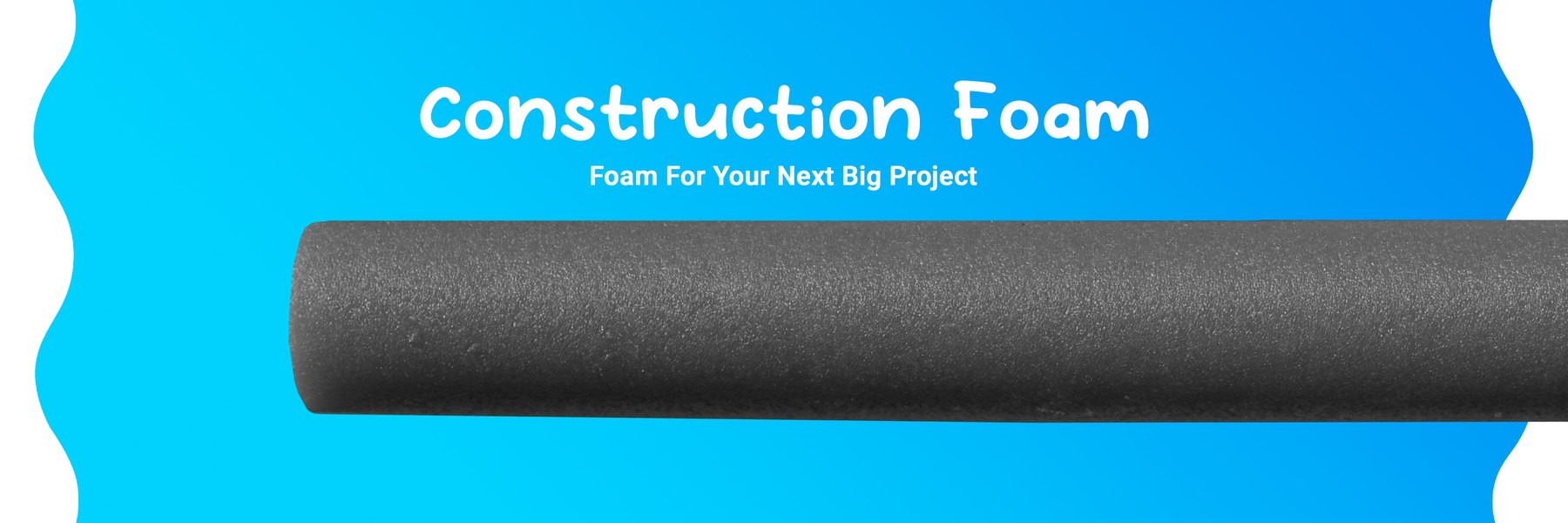
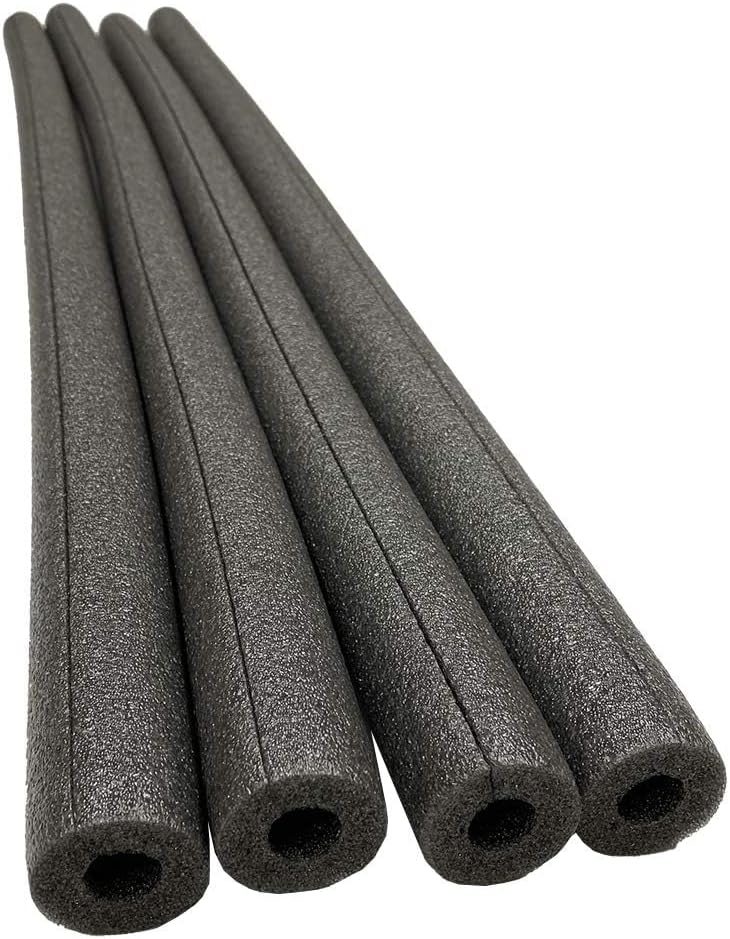
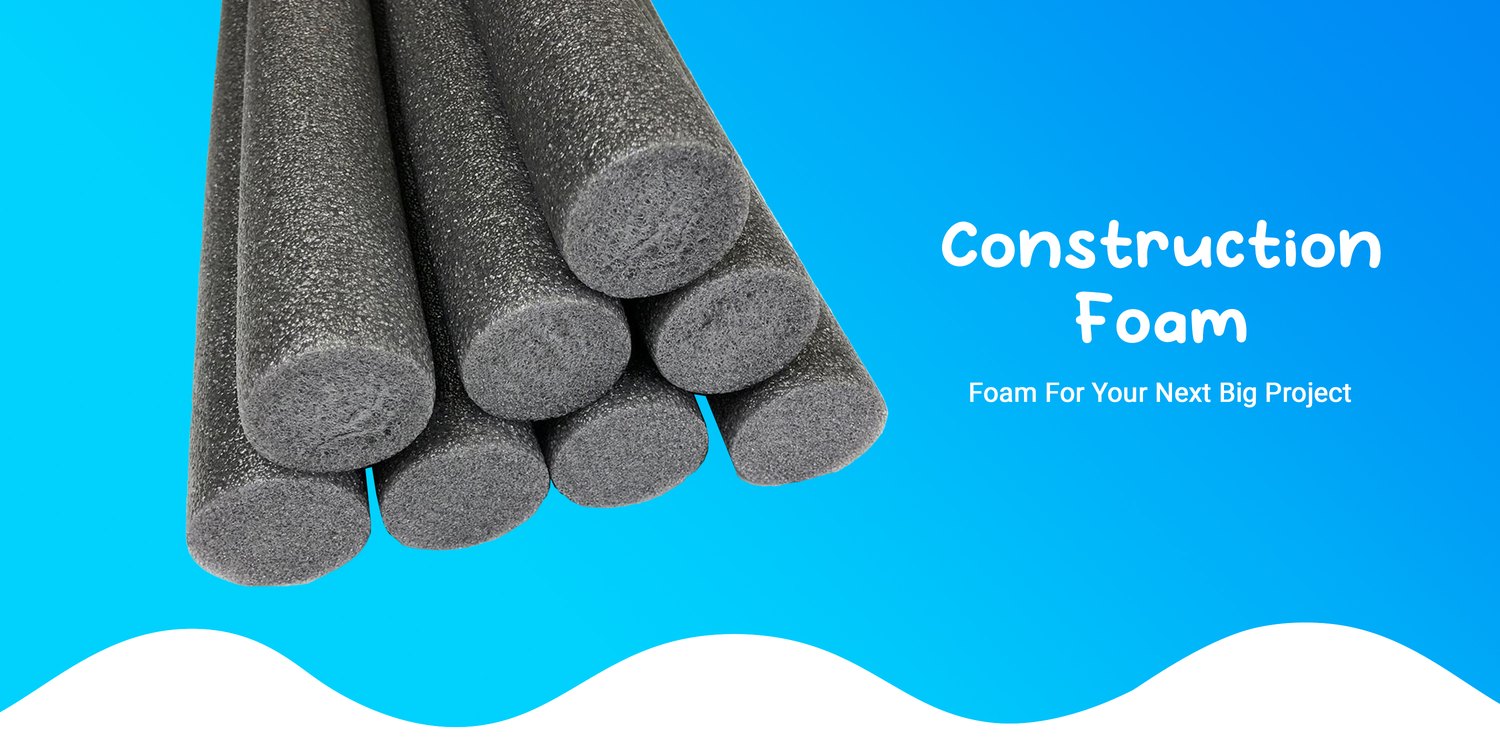
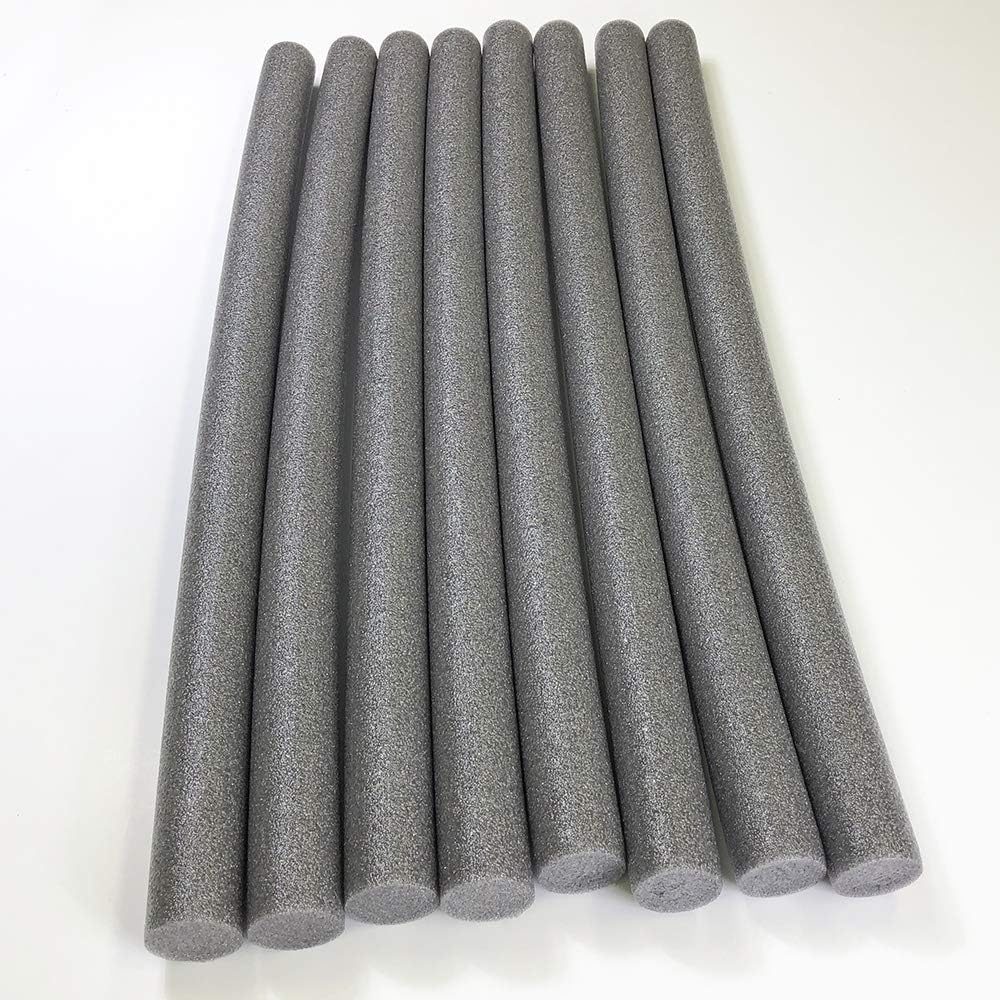
Backer rod is the same closed-cell foam as a pool noodle, extruded thin and sold for joints. It goes into the gap before the sealant. Skip it and the bead bonds to three sides instead of two, which is the most common reason a new joint tears within a year.
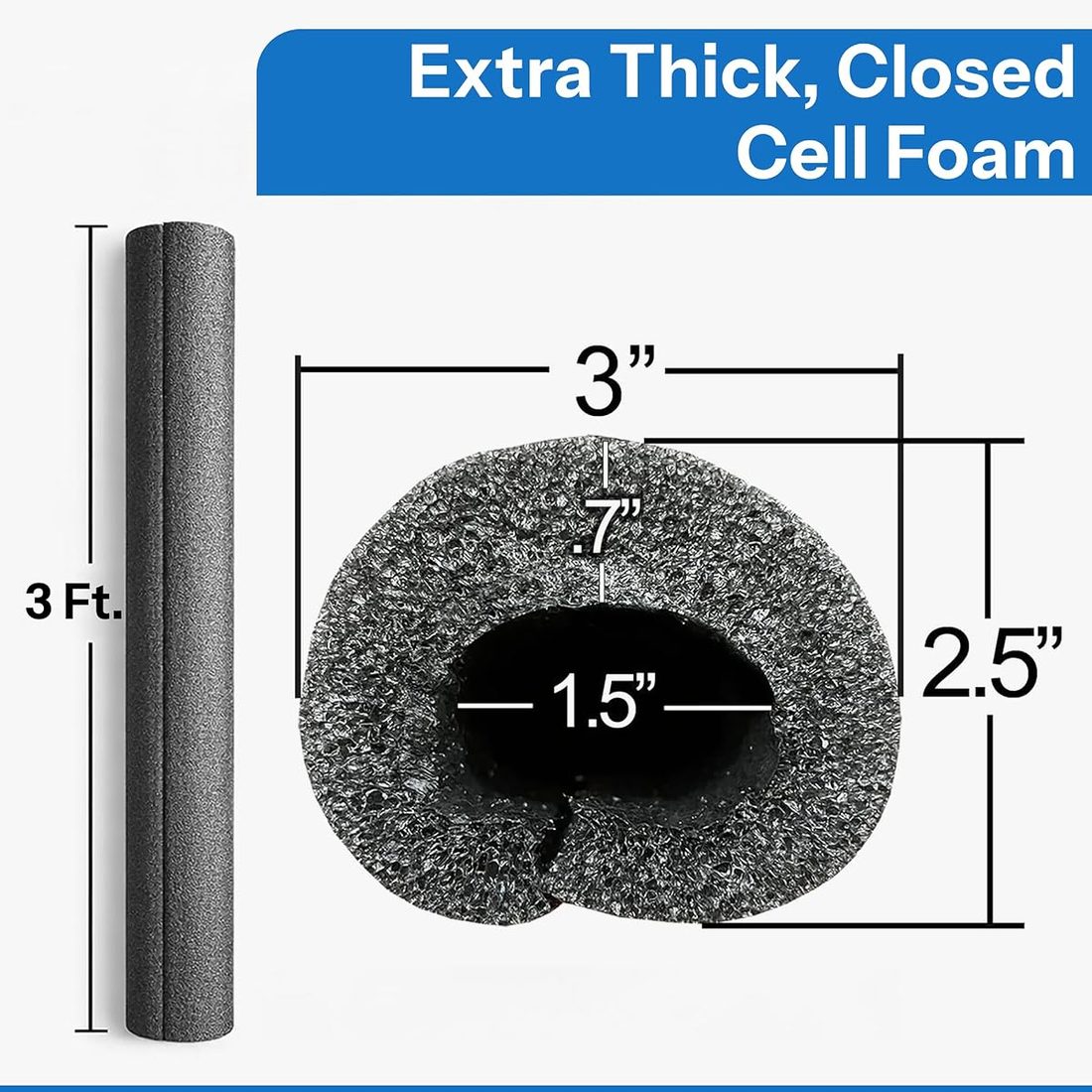
Pick a rod about a quarter wider than the gap. A 1/2 inch joint takes 5/8 inch rod; a 1 inch joint takes 1-1/4 inch. The compression is what holds the rod at the depth you set it, with no tape and no pins. Too thin and it drifts down the joint while you are sealing; too thick and it bows out and pushes the bead proud.
Oodles of Noodles stocks rod from 1/4 inch through 4 inch, which covers everything from a window perimeter to a slab expansion joint.
Roll the rod in until the sealant depth above it is about half the joint width, and never more than the width itself. A deep bead is a stiff bead: it cannot stretch when the joint opens, so it splits. The rod is a depth gauge as much as a bond breaker.
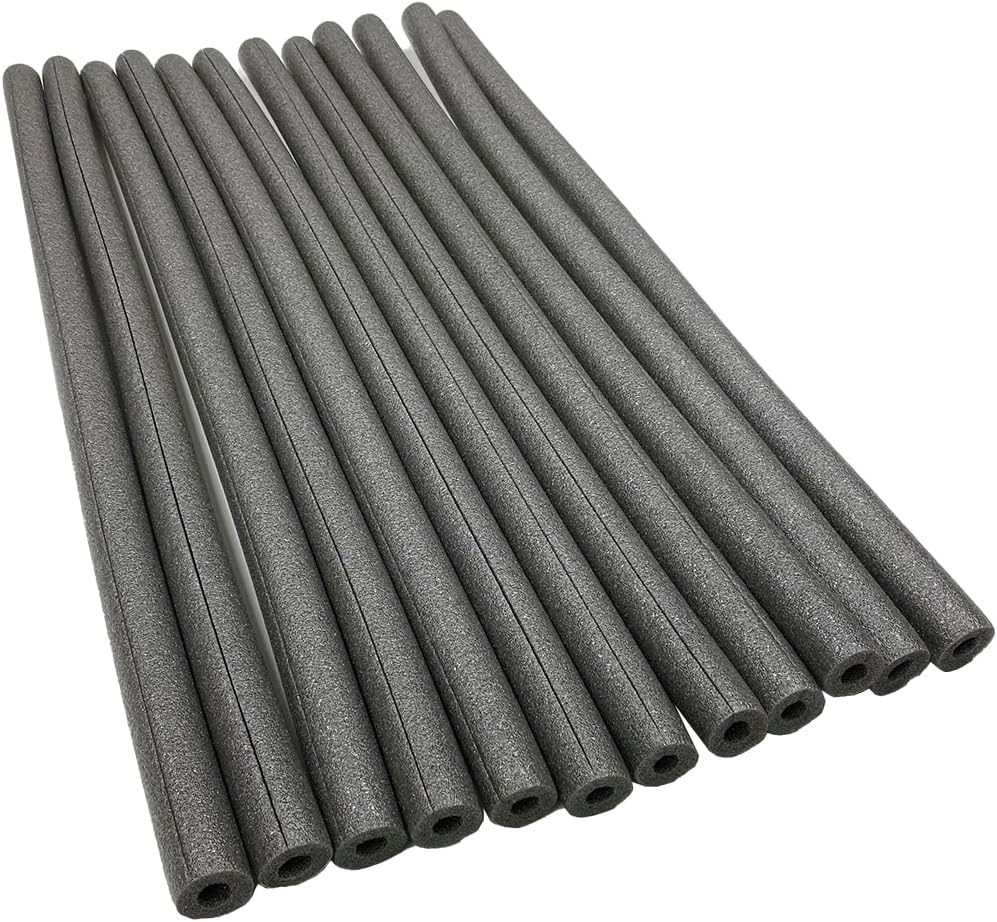
Standard closed-cell rod is firm and sheds water, which suits outdoor expansion joints and anything that will see rain before the sealant cures. Soft type compresses much further, so it follows an irregular crack in old concrete where a firm rod would bridge the hollows. Each listing says which type is in the package; the two look almost the same in a photograph.
Use a blunt tool — a plastic spatula, a rounded stick, the back of a filling knife. A screwdriver punctures the skin, and a punctured closed cell lets gas out, which shows up as bubbles in the fresh sealant. Work the rod in with a rolling motion rather than a stab, keep it dry, and tool the bead within the sealant's open time.
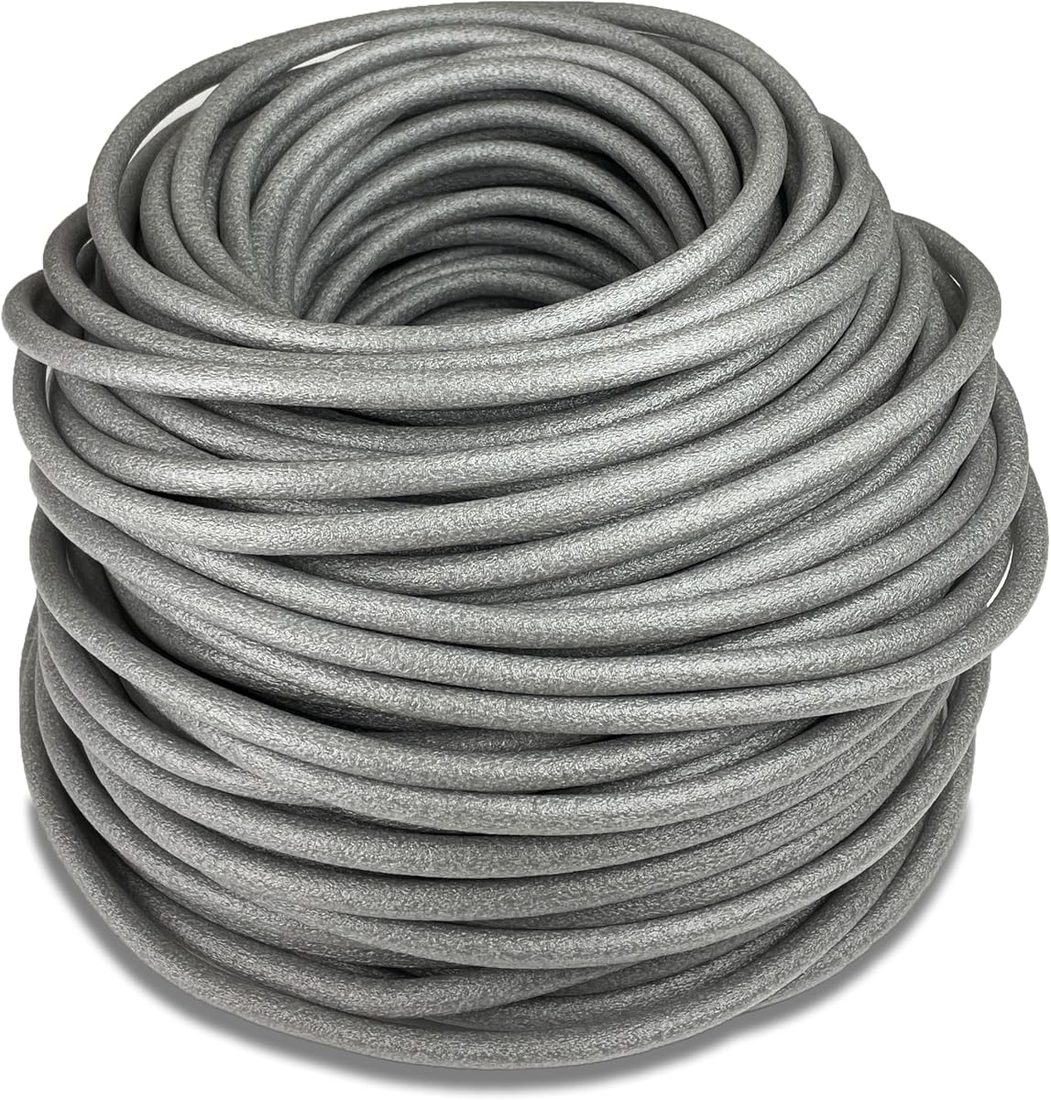
Beyond a few metres, rod is cheaper by the coil. Reels here run to 4000 ft on thin diameters and a few hundred feet on the fat ones, and the price per foot drops hard with length. Measure the whole run first, then choose the diameter — ordering twice costs more in freight than the foam is worth.
Foam rope has other uses on site: temporary pipe padding, a void former in a narrow pour, a cushion under a stone sill while it is levelled. It is the same material the pool noodles are cut from, which is why it never rots.
Backer rod is a close relative of the pool noodles on the other shelves: the same closed-cell foam tube, extruded thin. That shared origin is why the Oodles of Noodles range covers both, and why the quality questions are the same ones — even cell structure, an intact skin, a diameter that measures what the label says.
Premium rod holds its approx. diameter straight out of the coil. Cheap rod arrives oval, which means a standard gap takes an unpredictable amount of compression and the bead depth wanders along the run. Anybody with the experience of chasing a wandering bead down a long joint buys the good rod the next time, and the difference in finish is incredible for the money.
Measure the run, check the joint width in inch, add a tenth for waste and order one pack size up. White chalk-line dust on the foam does not matter; a kinked coil does. Fast jobs fail at the rod rather than at the sealant more often than anyone admits, and a favorite trick on site is to cut a test length and roll it into a spare inch of joint before committing the whole reel. The crafts lane sells the same rod in short coils if the run is small.
Each one with the figure its listing is showing right now.
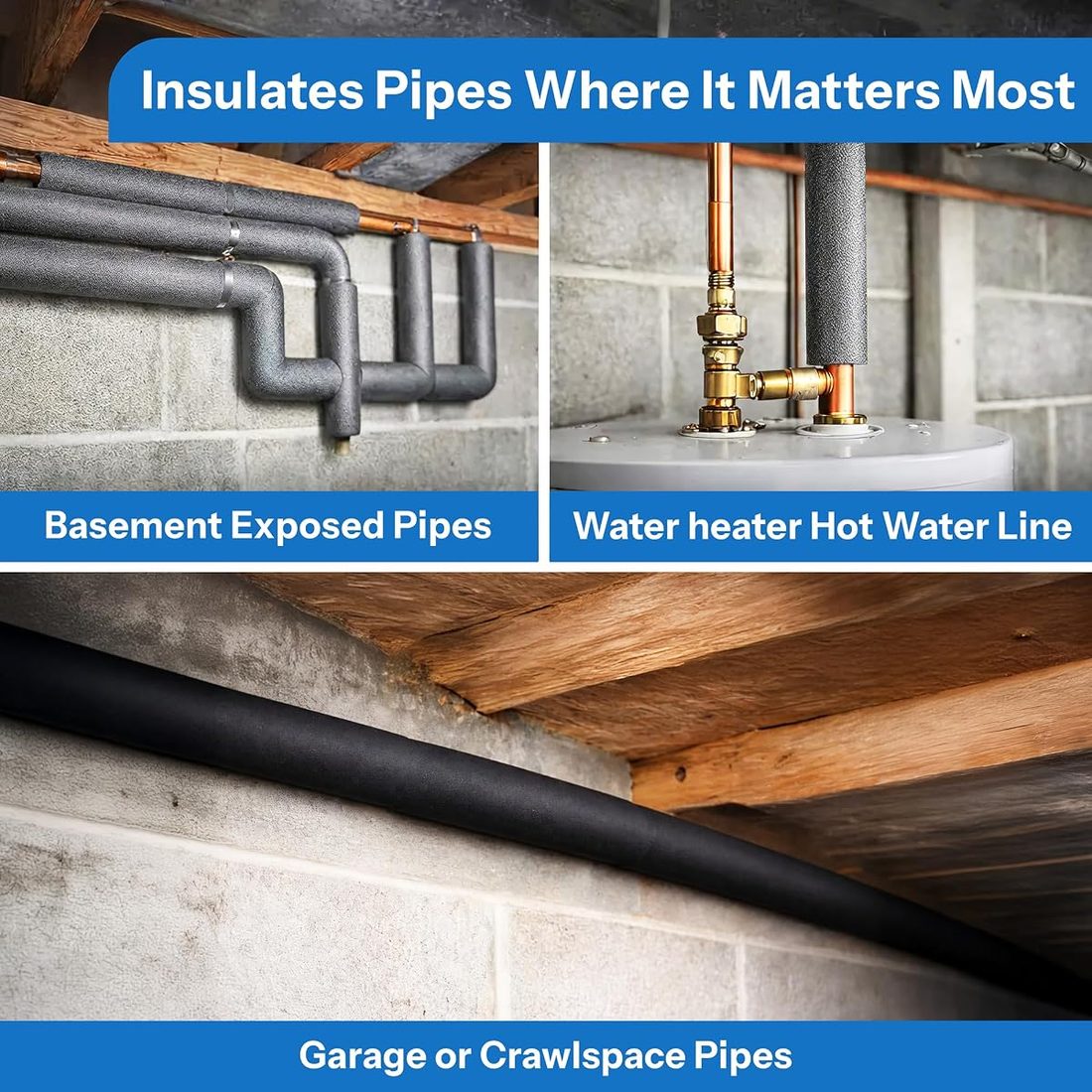
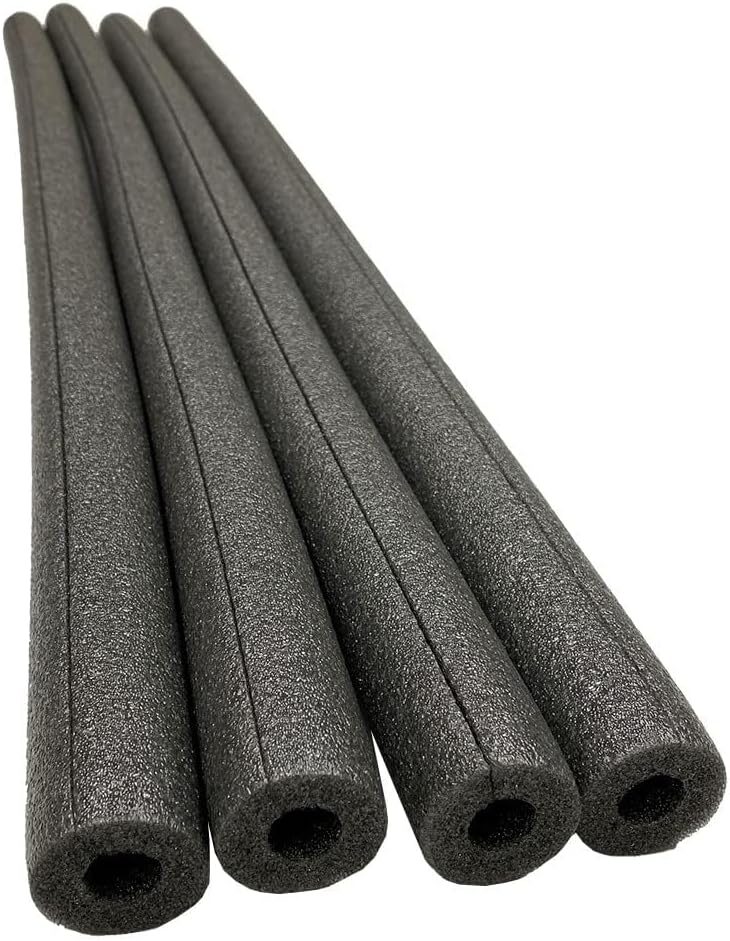
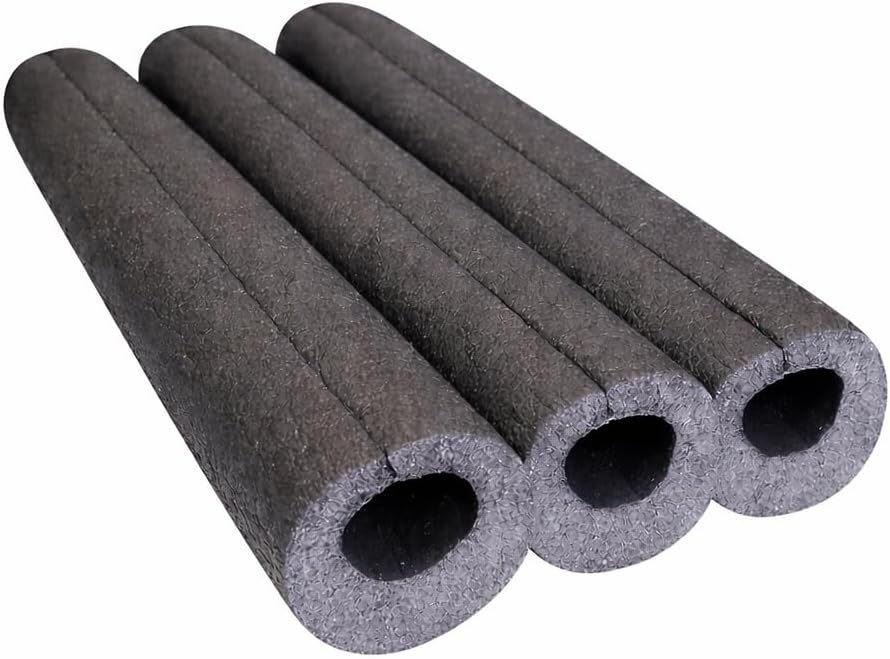
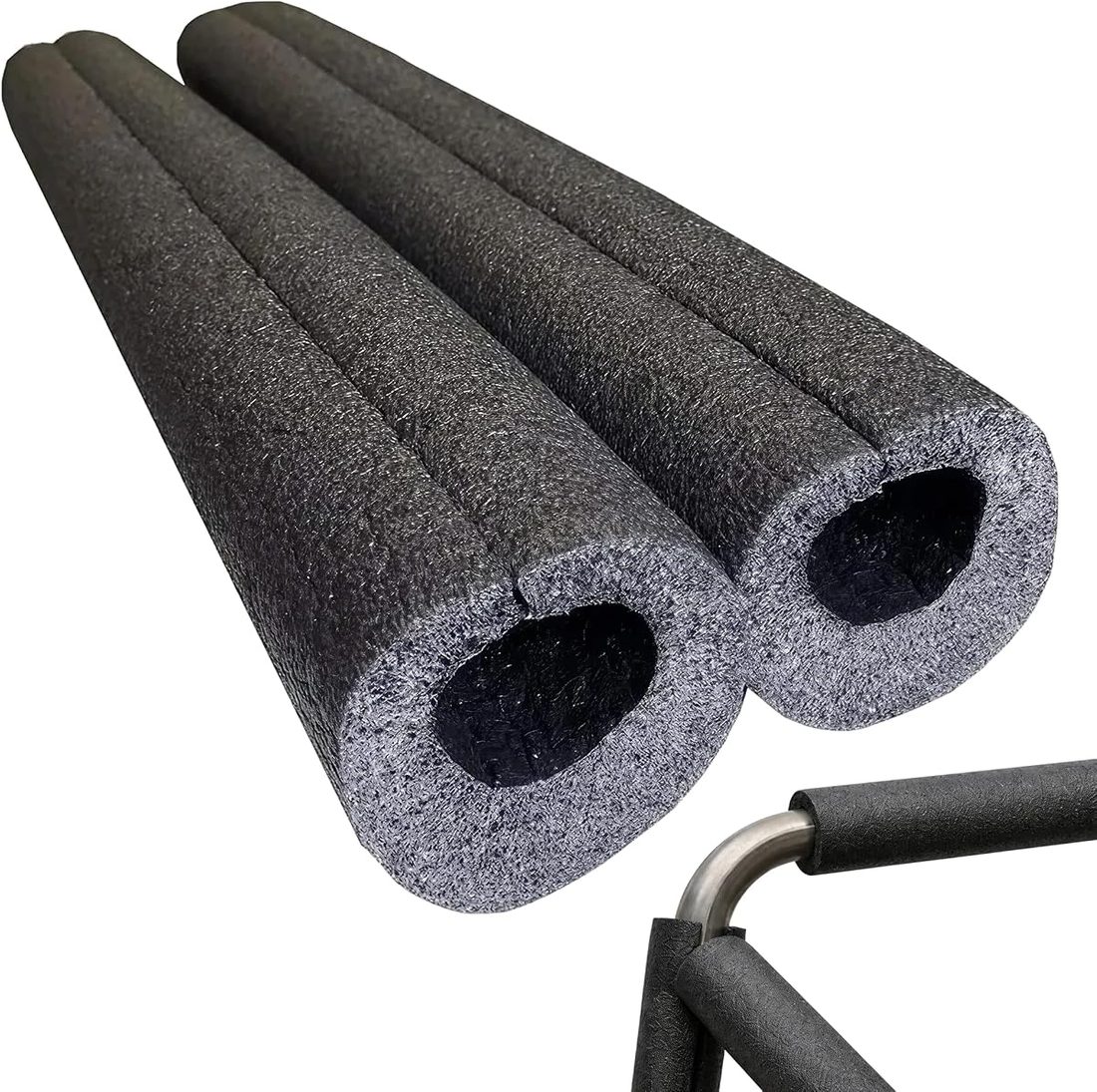

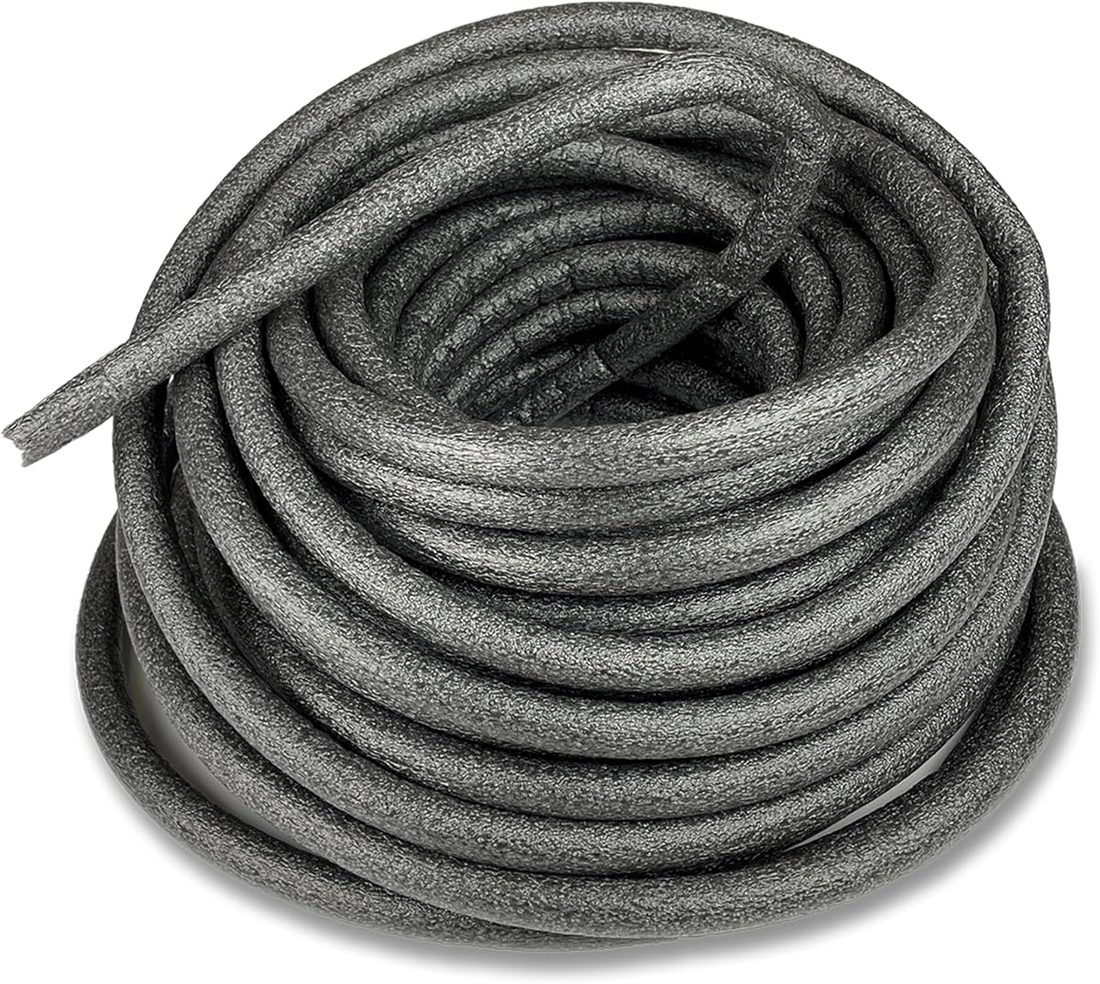
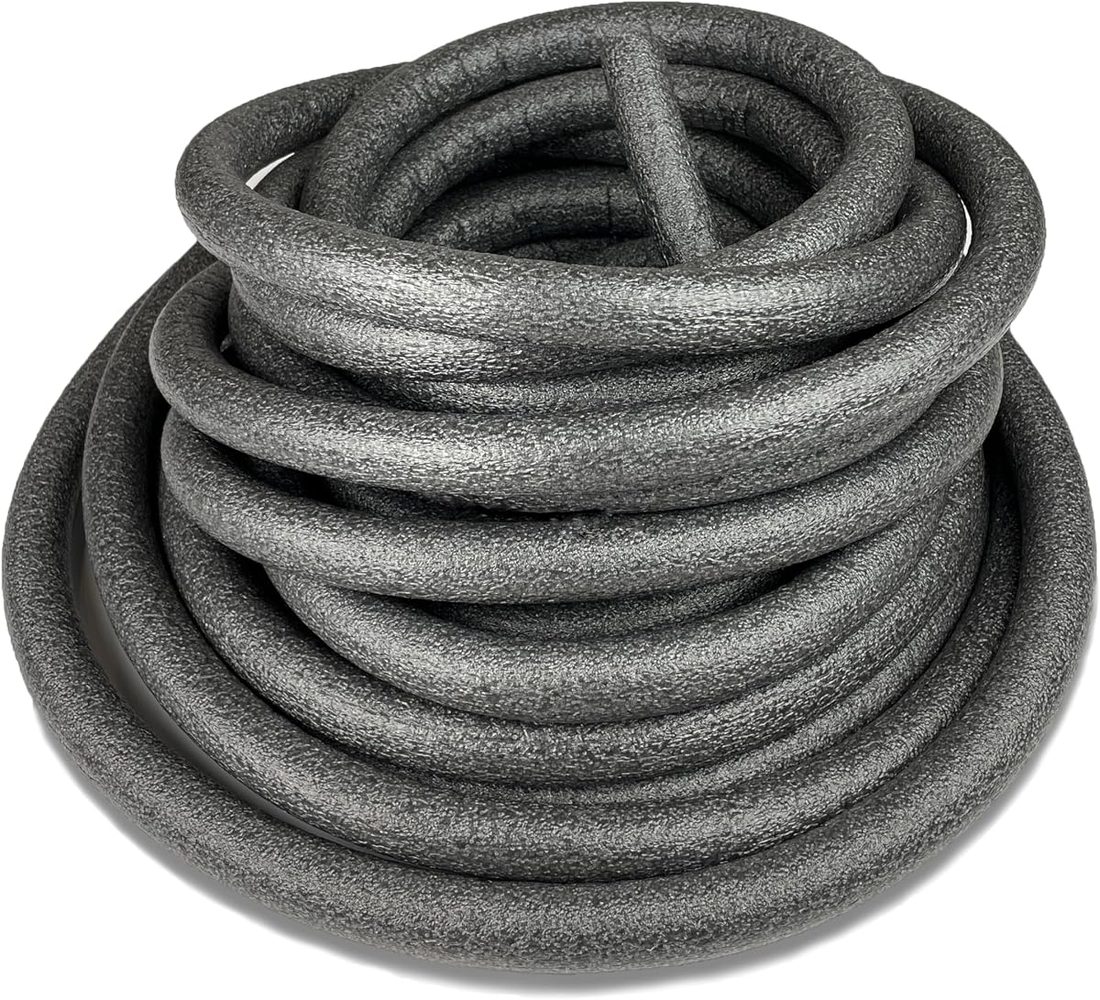
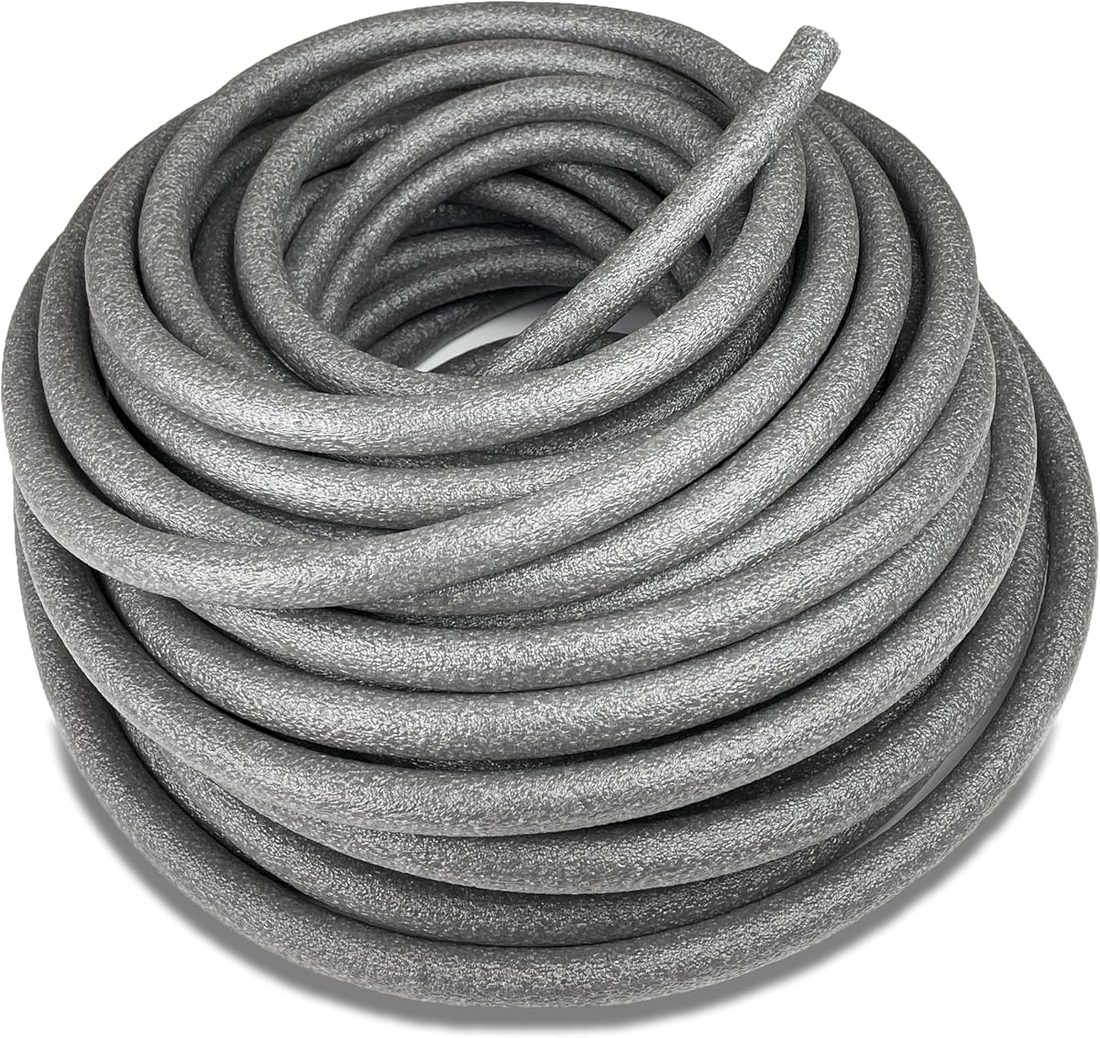
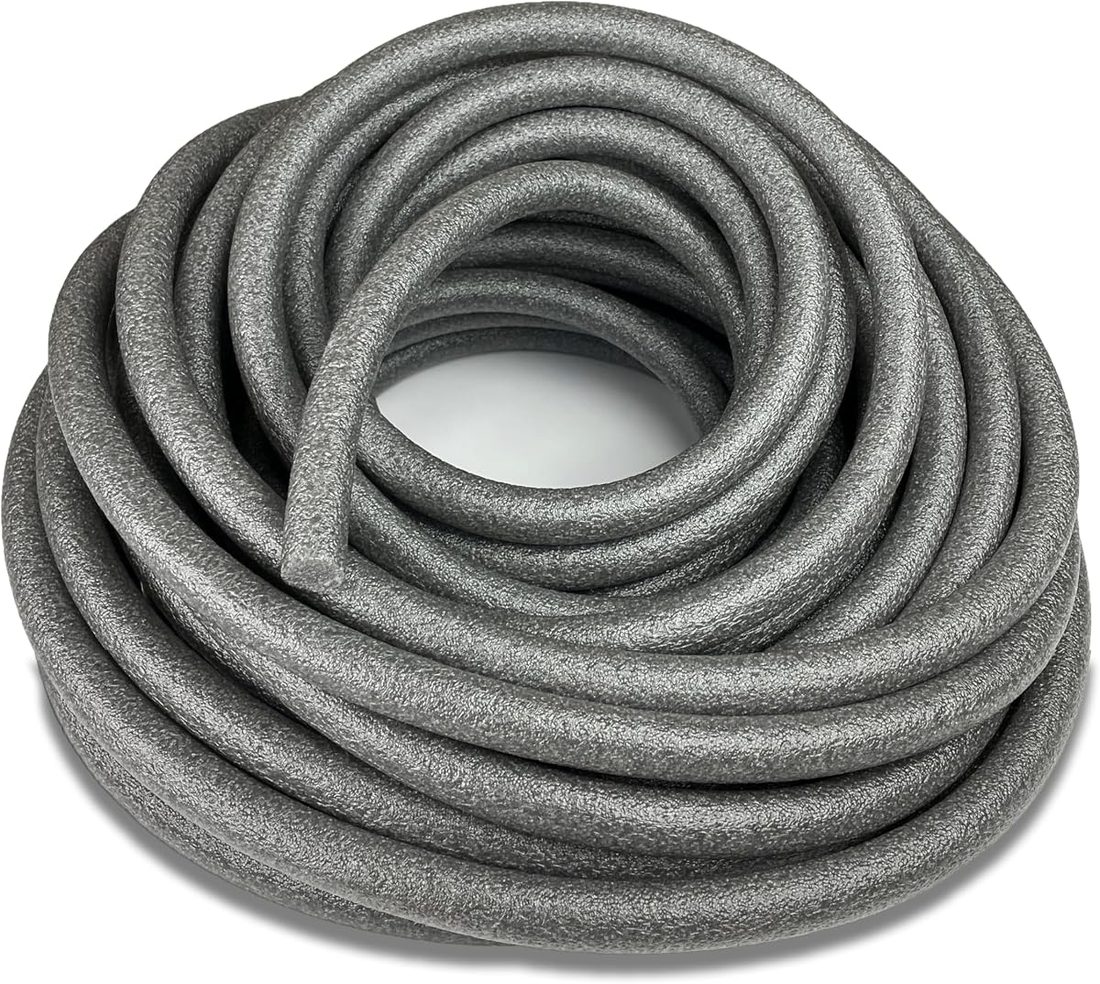

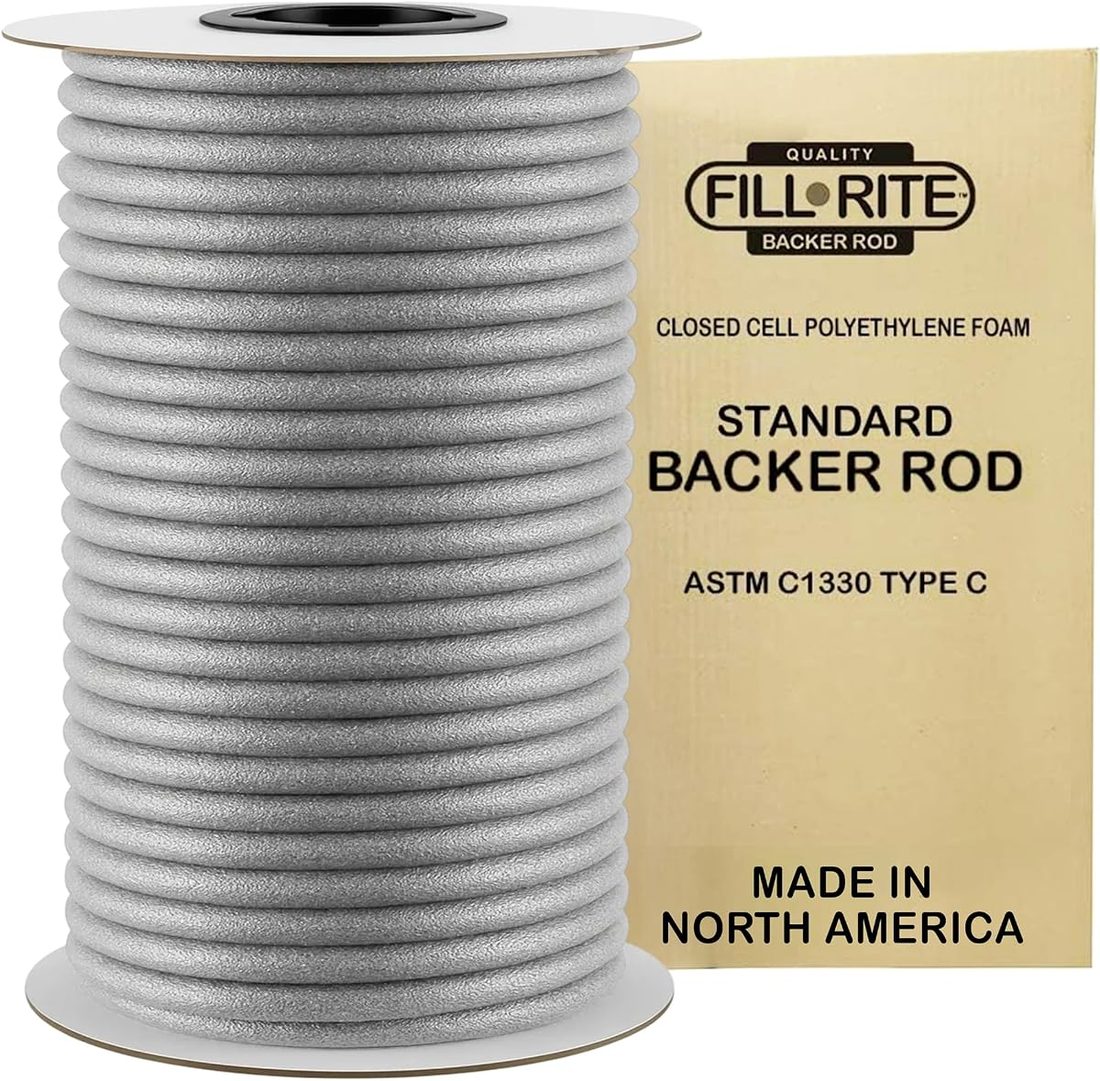
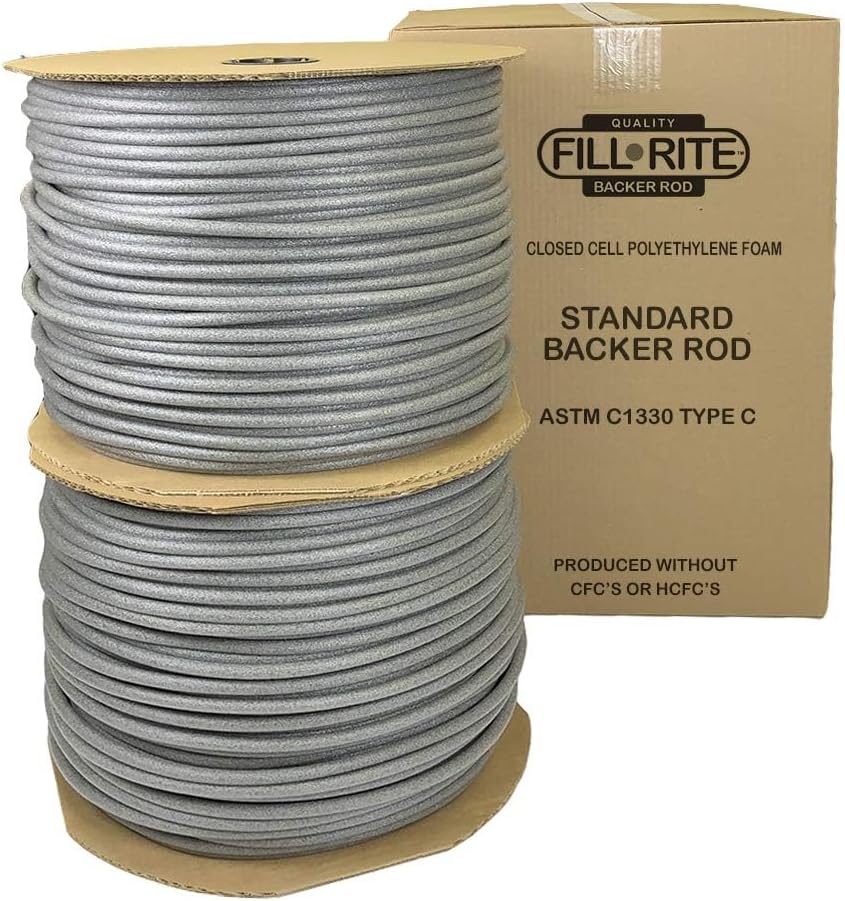
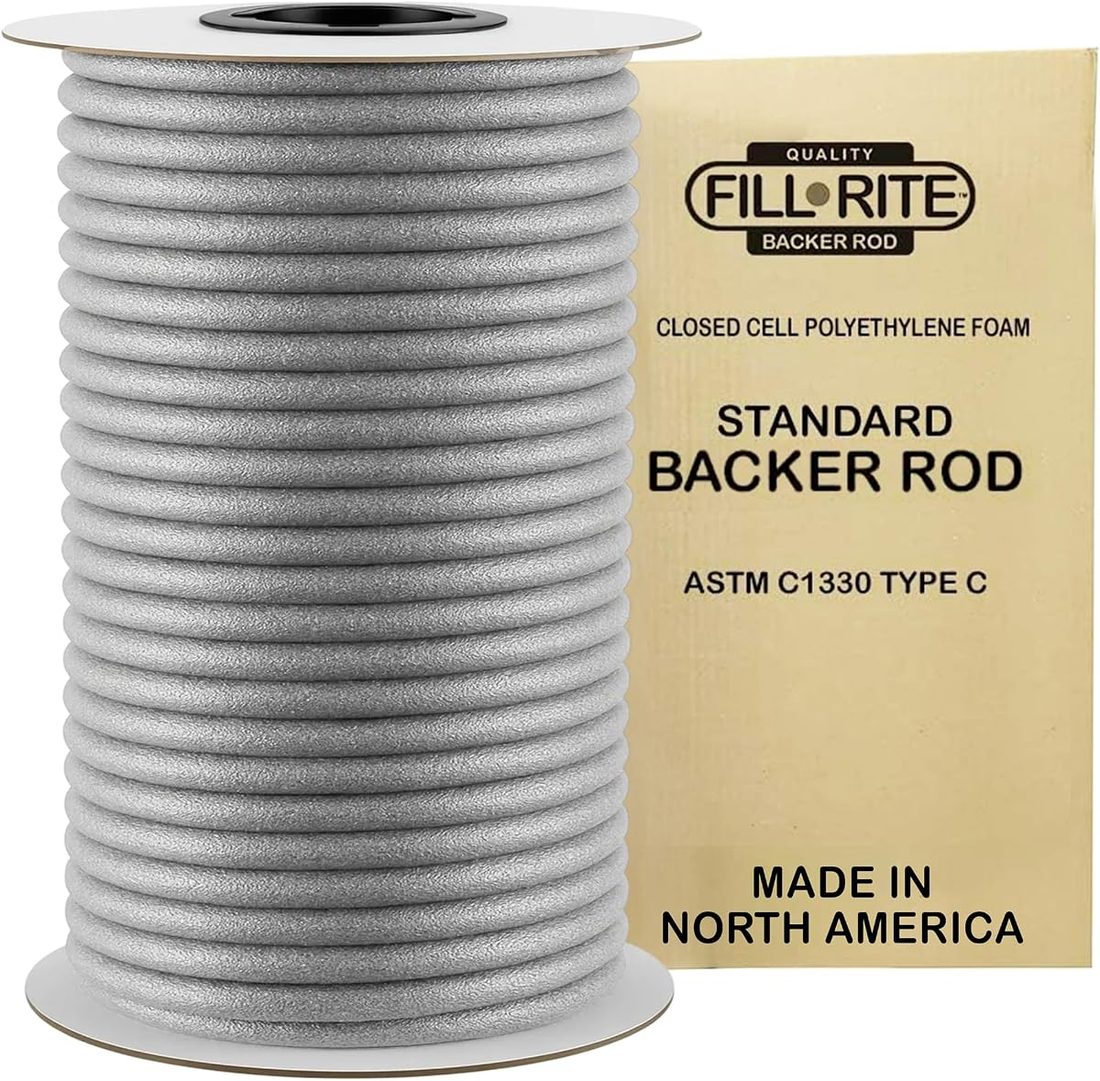
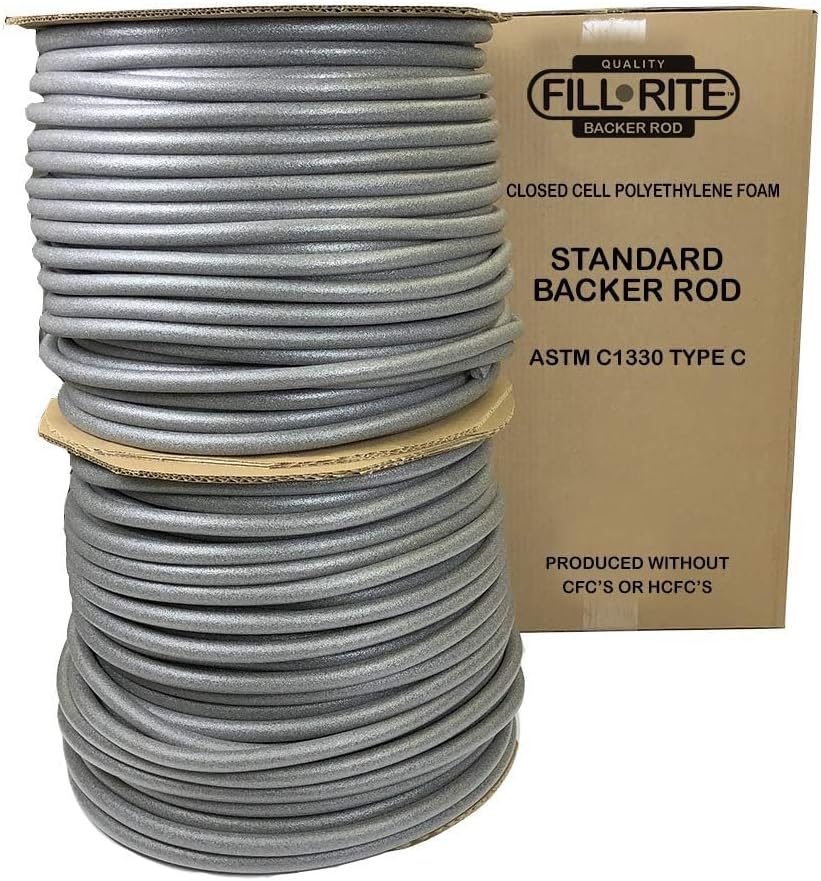
5/8 inch rod. The rule is roughly a quarter wider than the gap, so the rod compresses into place and stays at the depth you set.
Always. It sets the bead depth and stops the sealant bonding to the back of the joint, which is what lets the joint move without tearing.
Standard for outdoor expansion joints and anything that may get wet before curing; soft type for irregular cracks in old concrete.
 How to choose a pool noodleDiameter, length, core and pack size: the four numbers that decide whether an Oodles of Noodles pool noodle works for you.
 Solid core versus hollow foam pool noodlesWhy one Oodles of Noodles tube costs more than another that looks identical from the end of the pool.Pool noodle sizes in inchesA plain table of the lengths and diameters sold under the Oodles of Noodles name, in inch and in feet.
 Pool noodle craft projectsCutting, gluing and painting Oodles of Noodles pool noodle foam for costumes, props, classrooms and wreaths.Looking after Oodles of Noodles pool noodlesChlorine, sunlight, storage and the small habits that double the life of a pack of pool noodles.
Open a listing and check the current price, pack size and colour before you order.