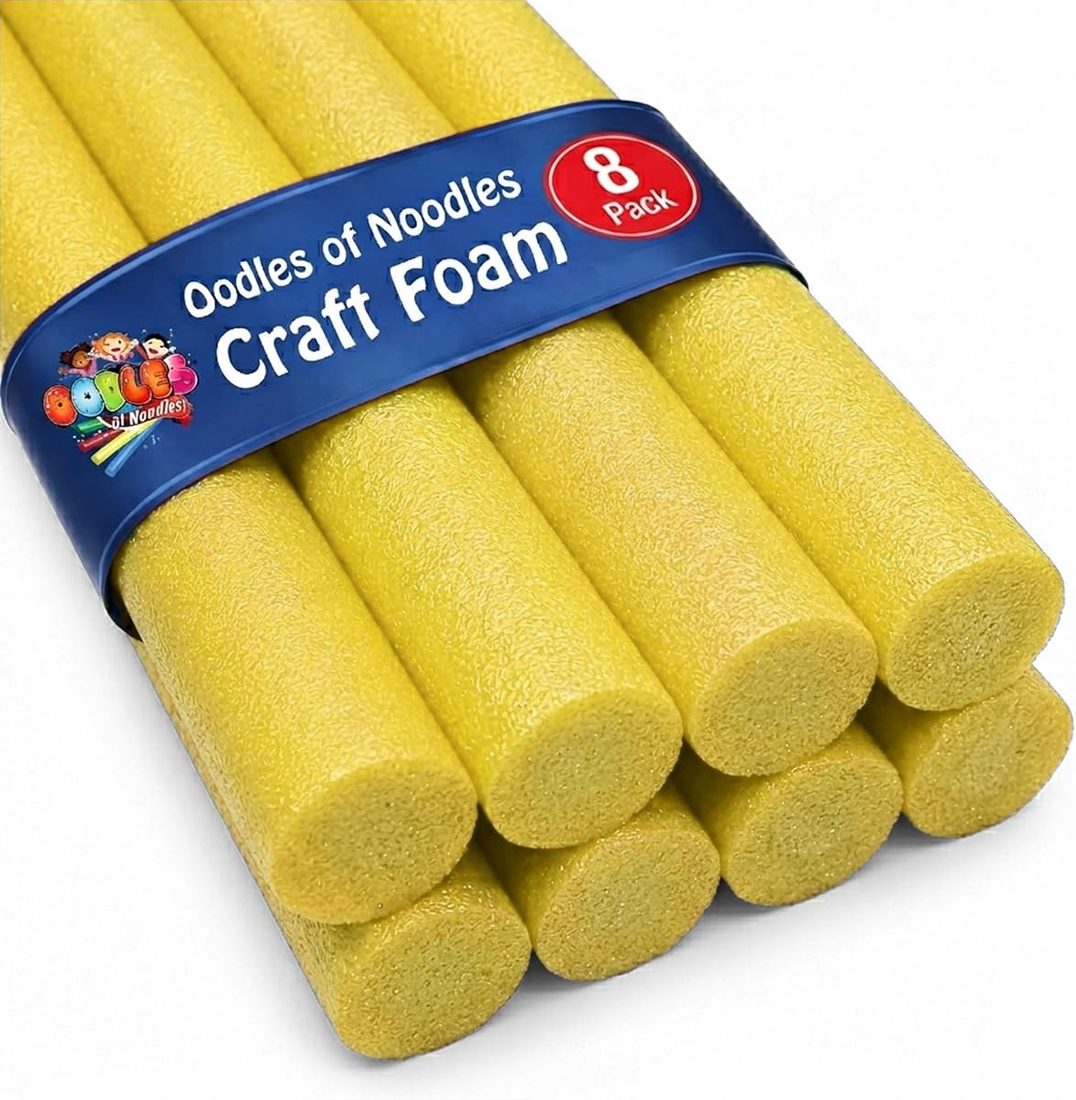

A pool noodle is a cheap length of closed-cell foam that cuts with a kitchen knife, takes paint without primer and weighs nothing. Prop makers, teachers and florists worked that out long before the craft lane existed, and Oodles of Noodles now sells the stock cut for exactly that work.
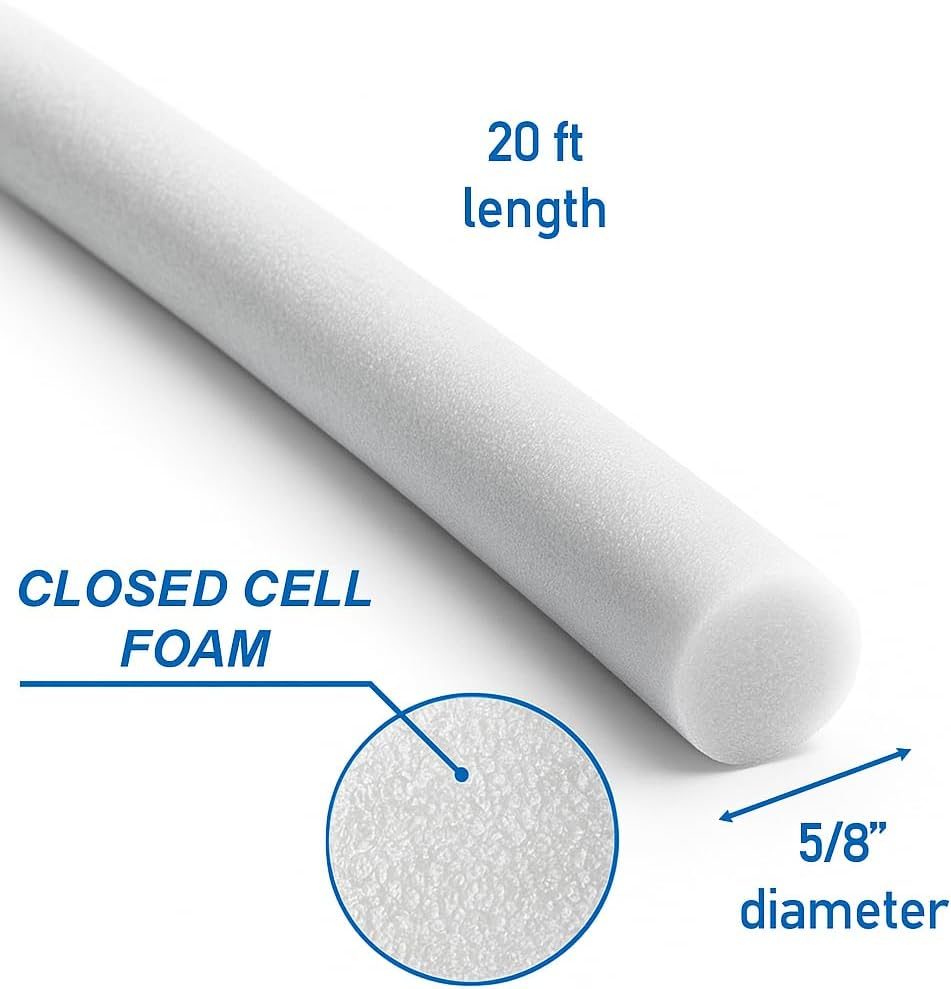
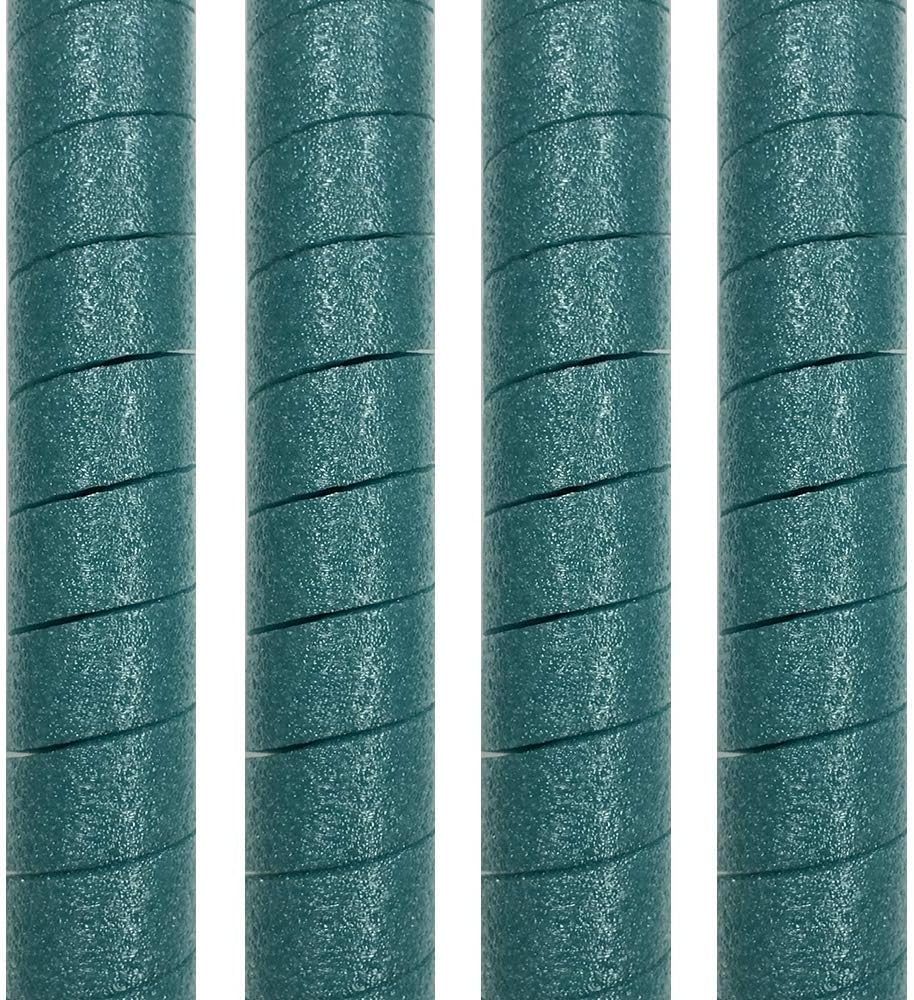
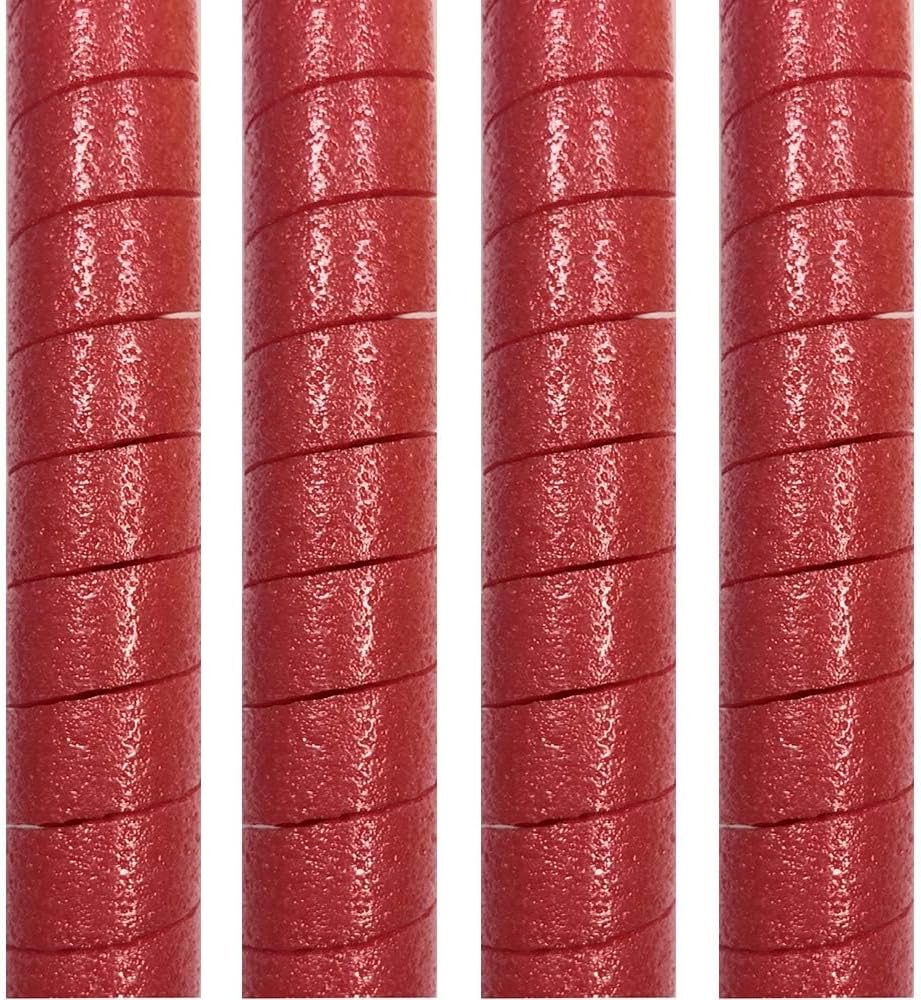
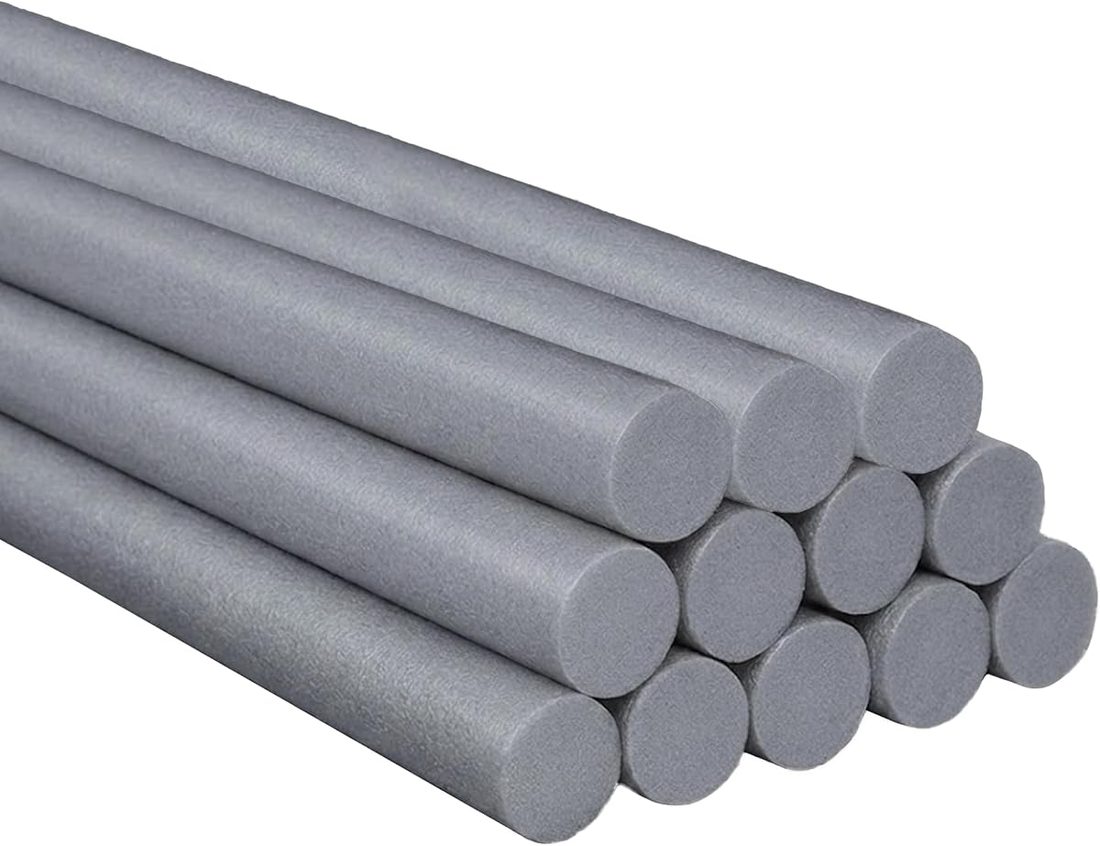
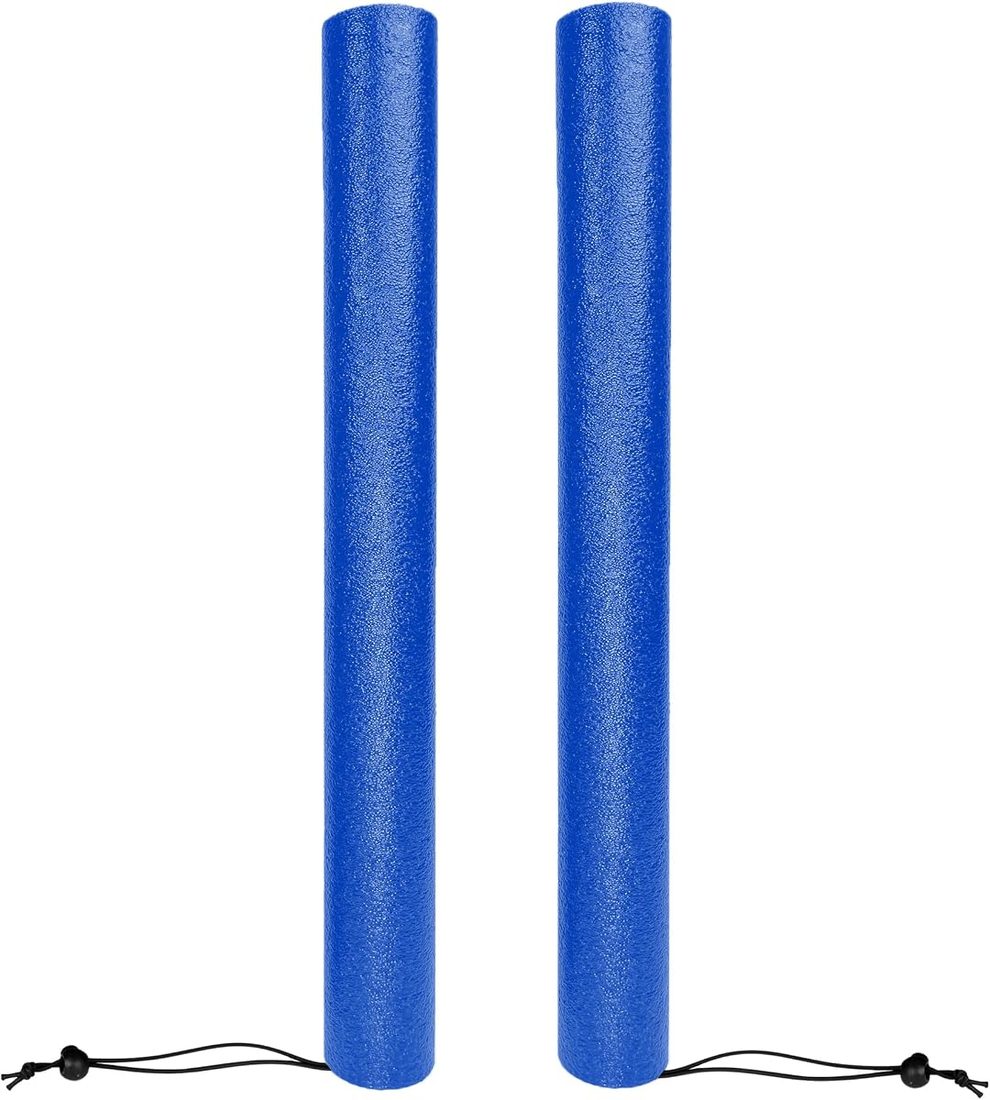
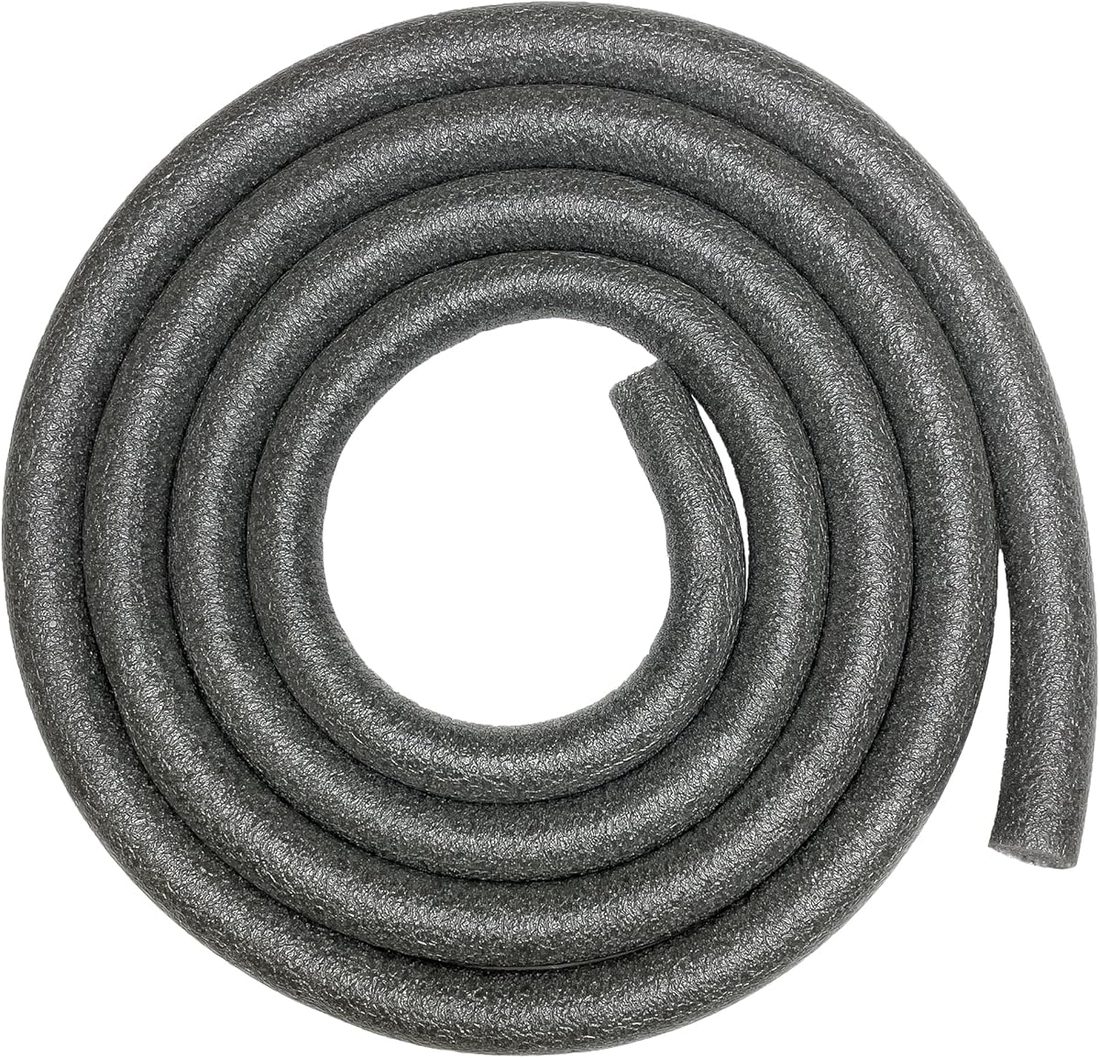
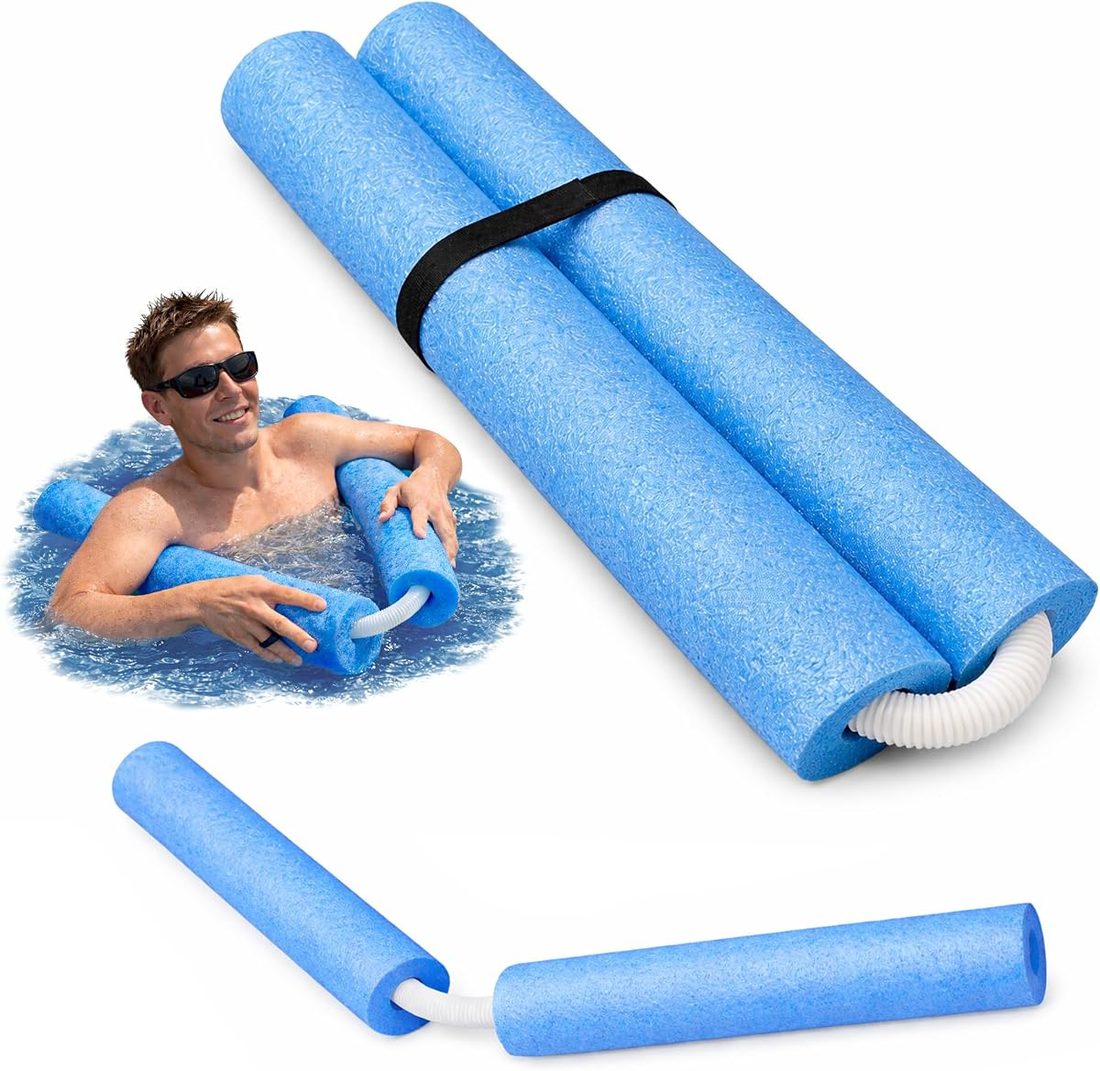
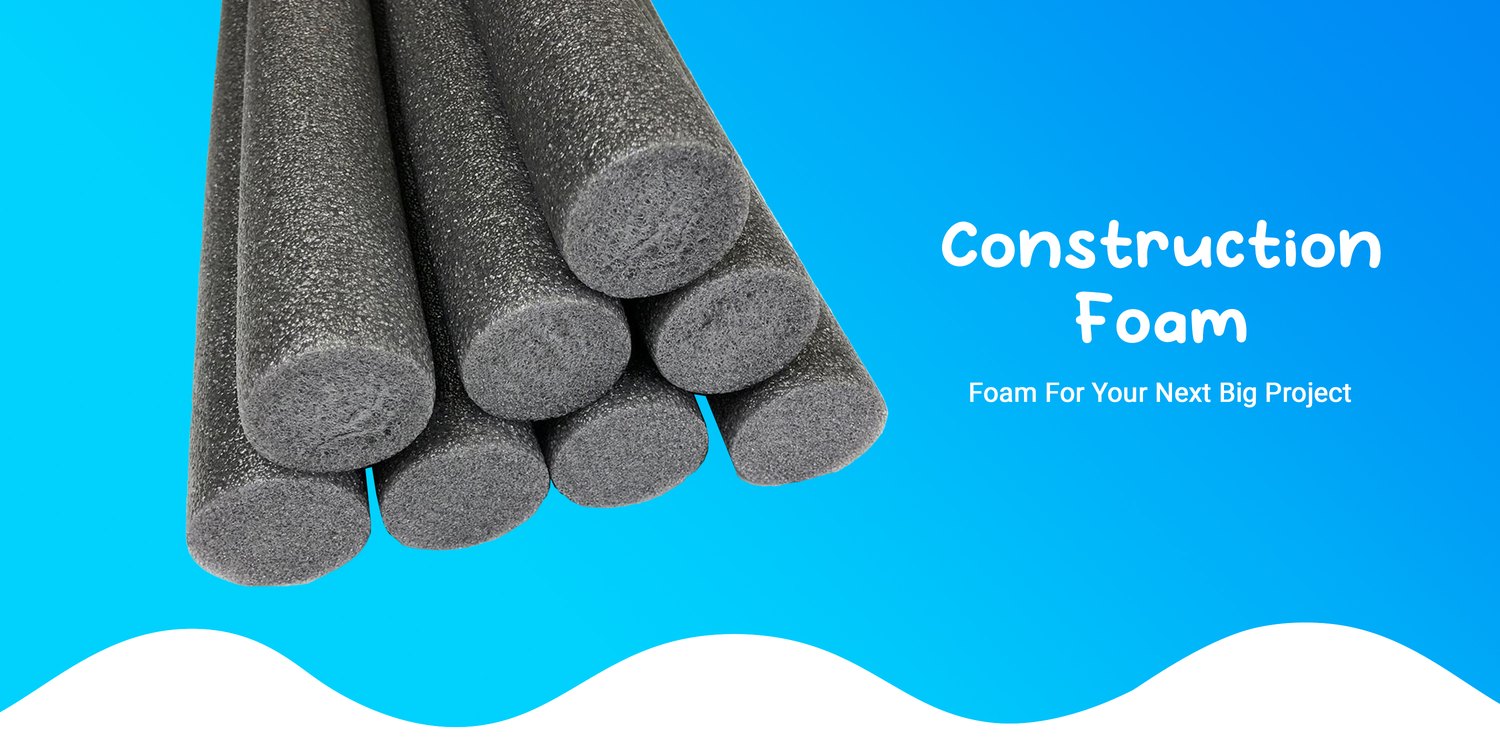
Hollow pool noodles suit anything that needs a light tube: sword props, giant pencils, wreath cores, cable covers for a classroom floor. Craft sticks from 1.5 inch to 5 inch across are solid or dense enough to carve. The 5/8 inch rod, sold in 20 ft and 40 ft coils, bends into flower stems, hoop frames and model terrain edges. Spiral Curlz tubes hold a pre-cut helix that nobody can cut by hand.
A serrated bread knife, a pencil line all the way round and one slow stroke. Sawing fast tears the cells and leaves a furred edge. For thin rod, roll a sharp craft knife around the tube instead of pushing through it. A hot wire cutter gives the cleanest face of all but needs ventilation, because melted polyethylene smells for an hour.
Contact adhesive and low-temperature hot melt both hold foam to foam. A high-temperature glue gun will dig a crater before you get the seam closed. Solvent glues and anything acetone-based melt polyethylene on contact. For a structural joint, push a short length of dowel or thin rod into both hollow cores and glue around it — the tube then carries weight through the dowel rather than through the seam.
Water-based acrylic and latex take straight to the surface and stay flexible with the foam. Spray paint with a strong carrier pits the skin unless you seal it first with a couple of coats of flexible glue thinned with water. Foam will not take a hard gloss without a filler, so plan for a matte prop or accept the texture as part of the look.
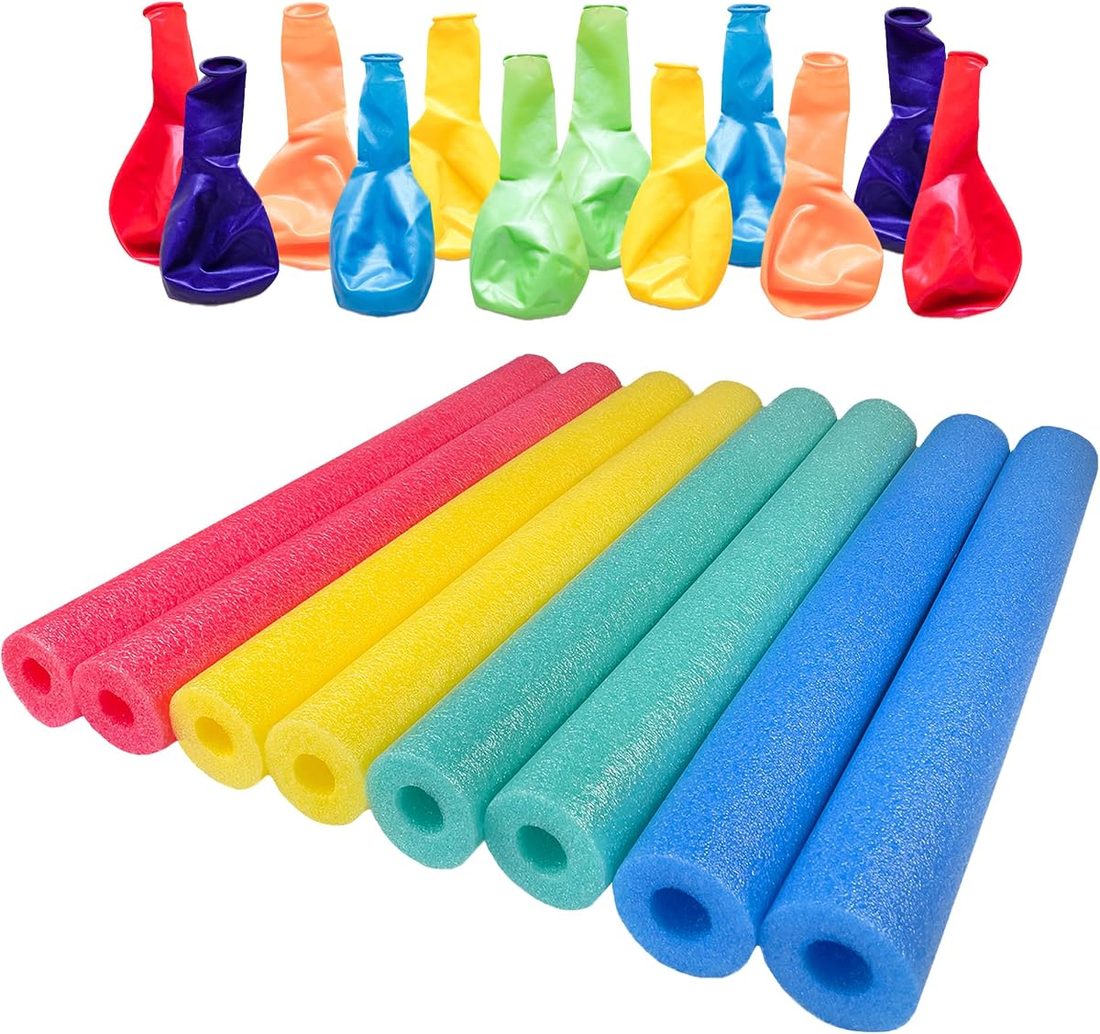
Wreath cores from a standard 48 inch tube bent into a circle and taped. Pool noodle marble runs cut in half lengthways. Stage swords from craft sticks with a dowel spine. Furniture bumpers from clamp stock, which arrives pre-slit and grips a table edge with no glue at all. A rainbow pack of standard foam gives a classroom eight colours for less than a box of paint.
Buy a foot more than the plan says. Every build loses a little to trimmed ends, and the thin rod in particular is far cheaper by the coil than by the metre.
Foam is not a toy on its own. A cut tube leaves small off-cuts, and those belong in the bin before small children reach the floor. Props that will be swung want a dowel that stops short of the tip, so the hard part never meets a face. None of the stock here is food, despite the name, and nothing about it is edible.
For crafts the pack is usually the wrong unit. Work out the total length first, then buy the coil: a 40 ft run of 5/8 inch rod costs less than four short packs and leaves you with spare for the next project. Premium density matters here more than in the pool, because a soft tube carves badly.
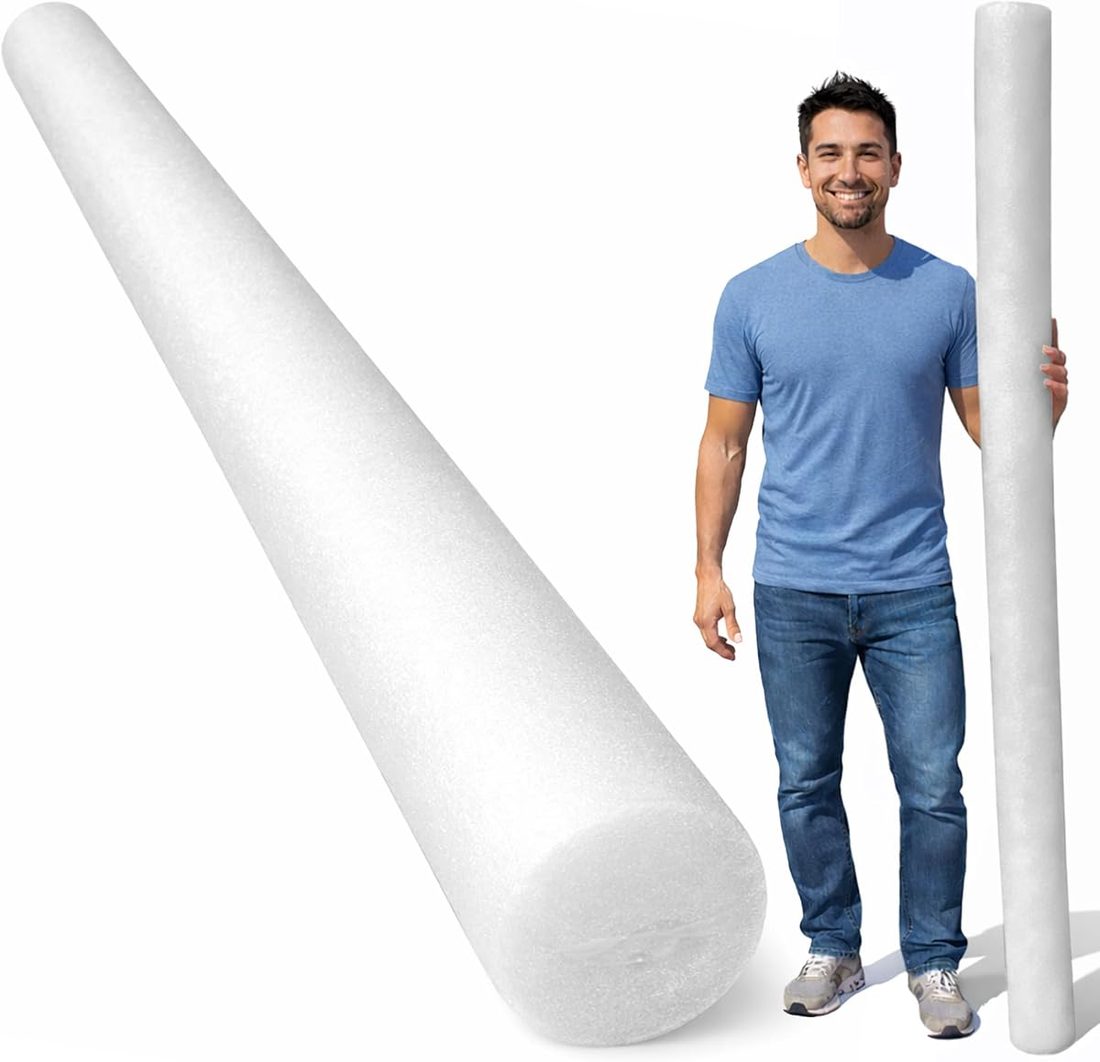
A standard 48 inch pool noodle at approx. 2.5 inch diameter is still the cheapest large foam tube in the range, which is why it turns up in so many builds. White stock takes paint most predictably; dark colours need a primer coat if the finish is pale.
Check the diameter against the drawing, dry-fit everything, and keep one offcut as a test piece for glue and paint. Makers who do that once rarely skip it again — the experience of watching a solvent glue melt a finished prop is an incredible argument for a five-minute test. Questions about a specific foam shape are answered on its own card, and the quality of your favorite Oodles of Noodles tube is easiest to judge with a thumb before the knife comes out.
Each one with the figure its listing is showing right now.
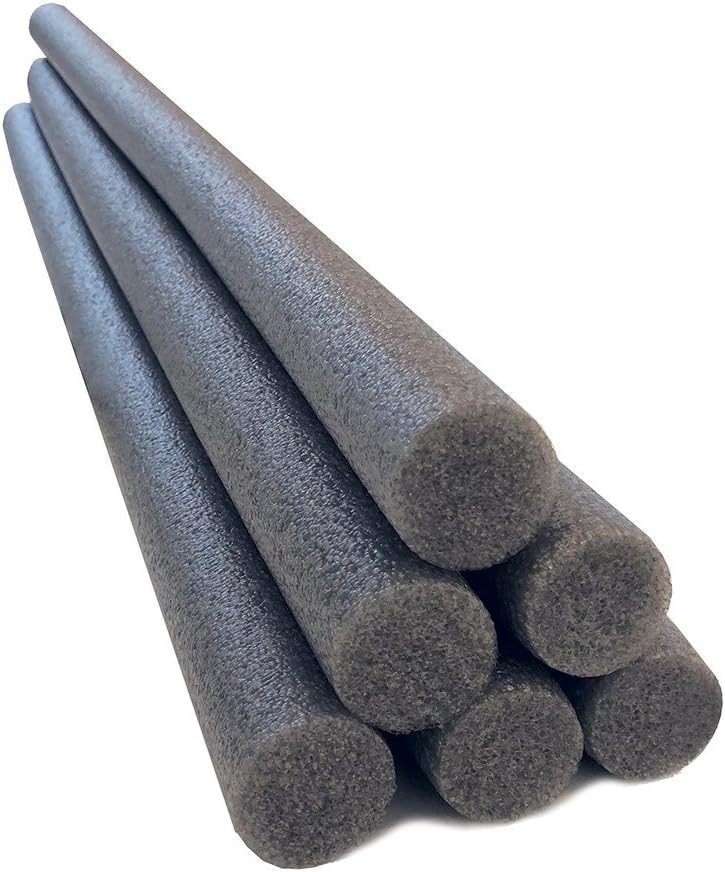
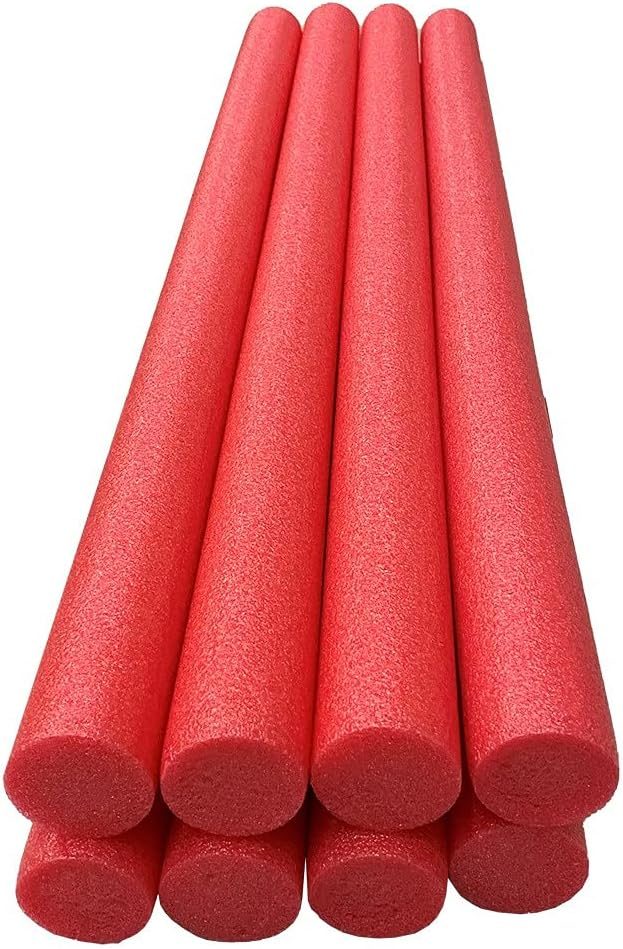
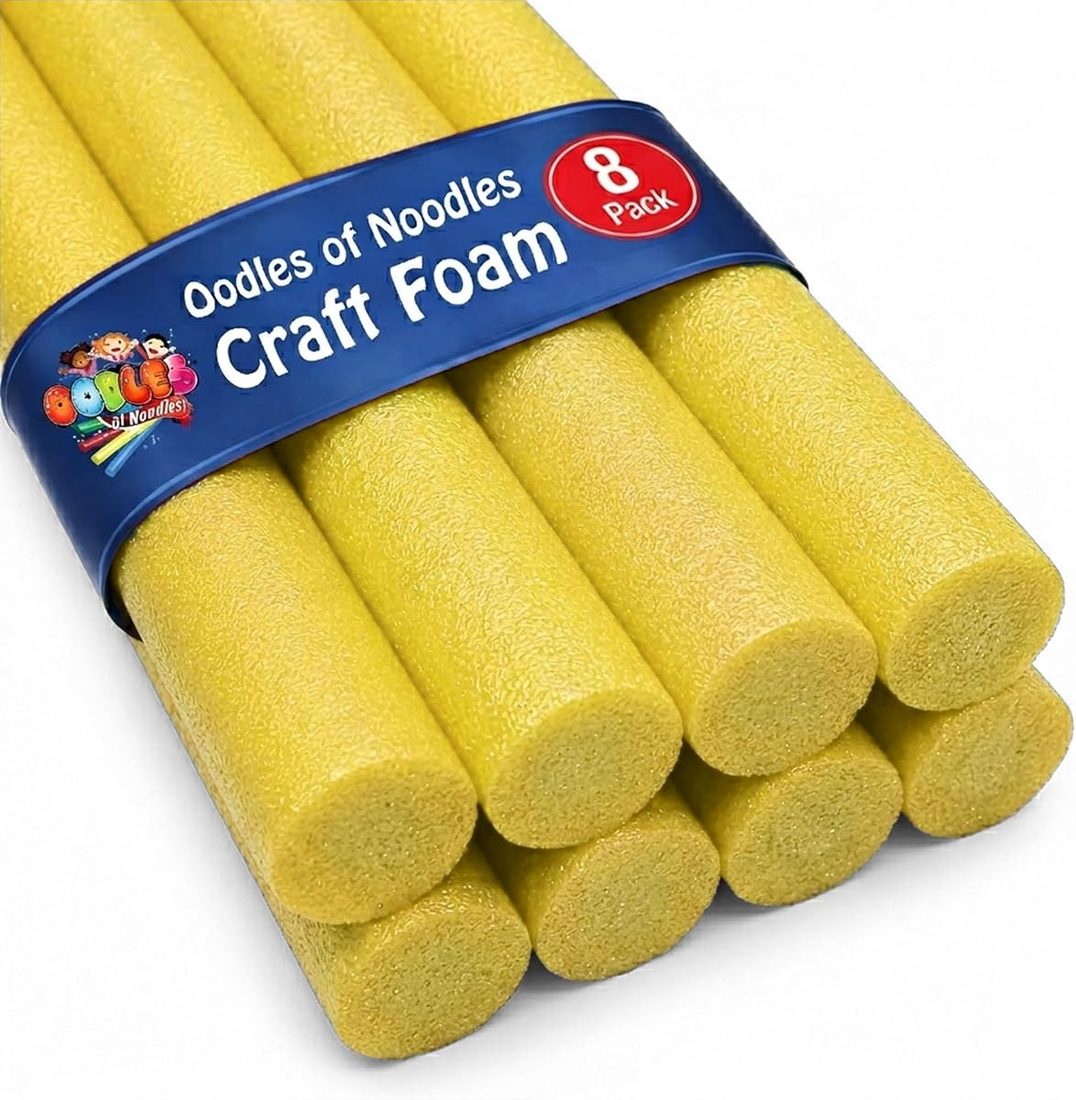
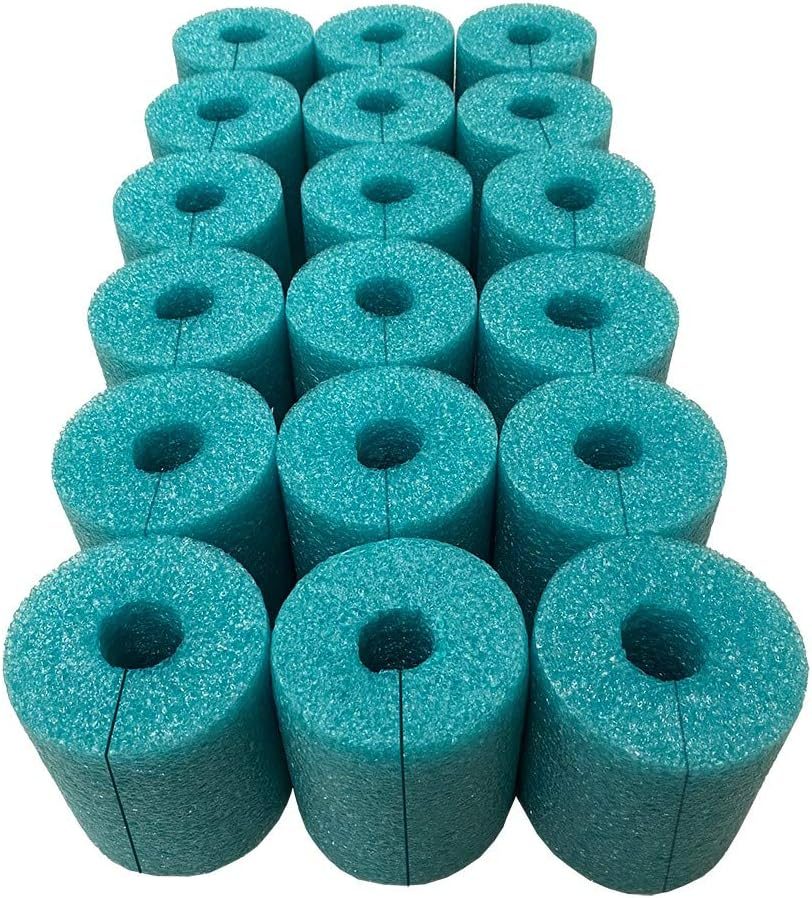
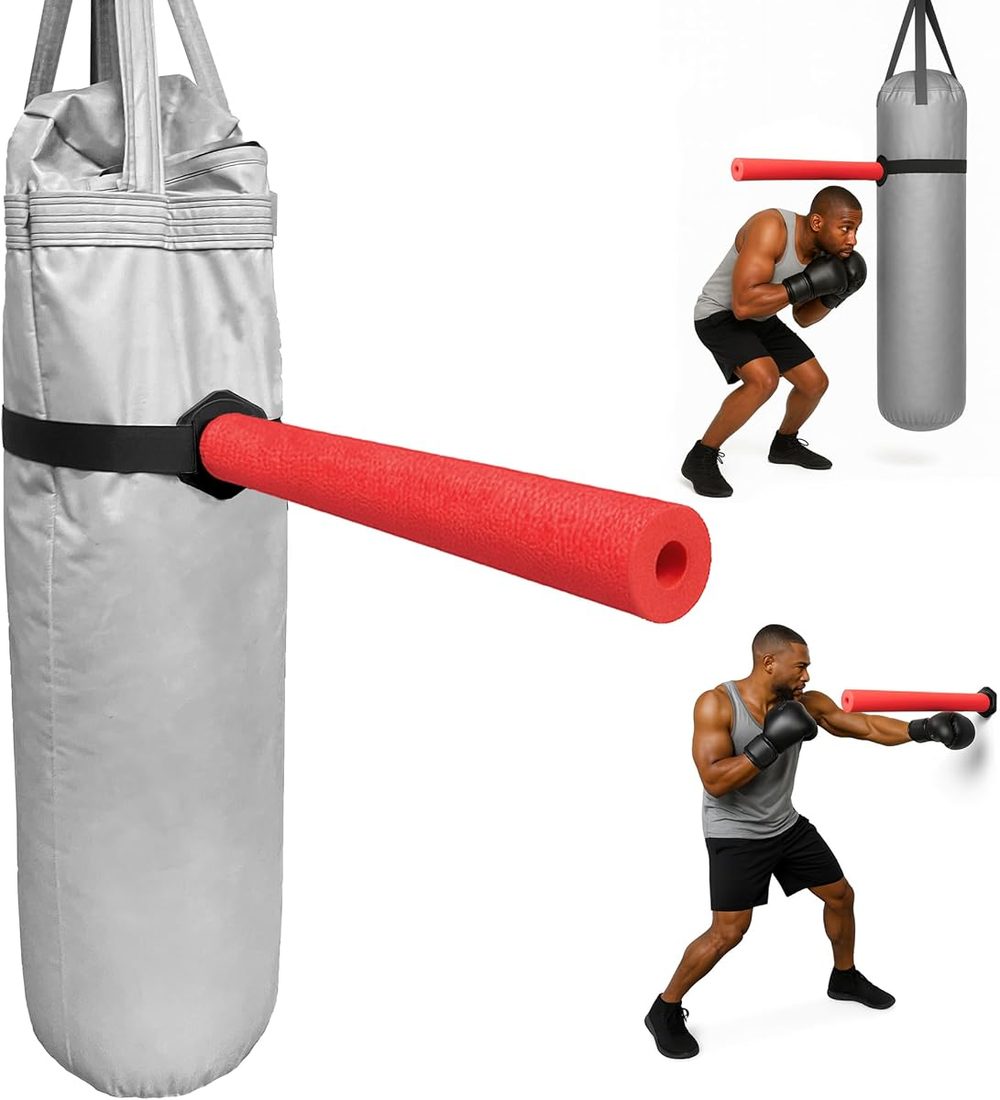
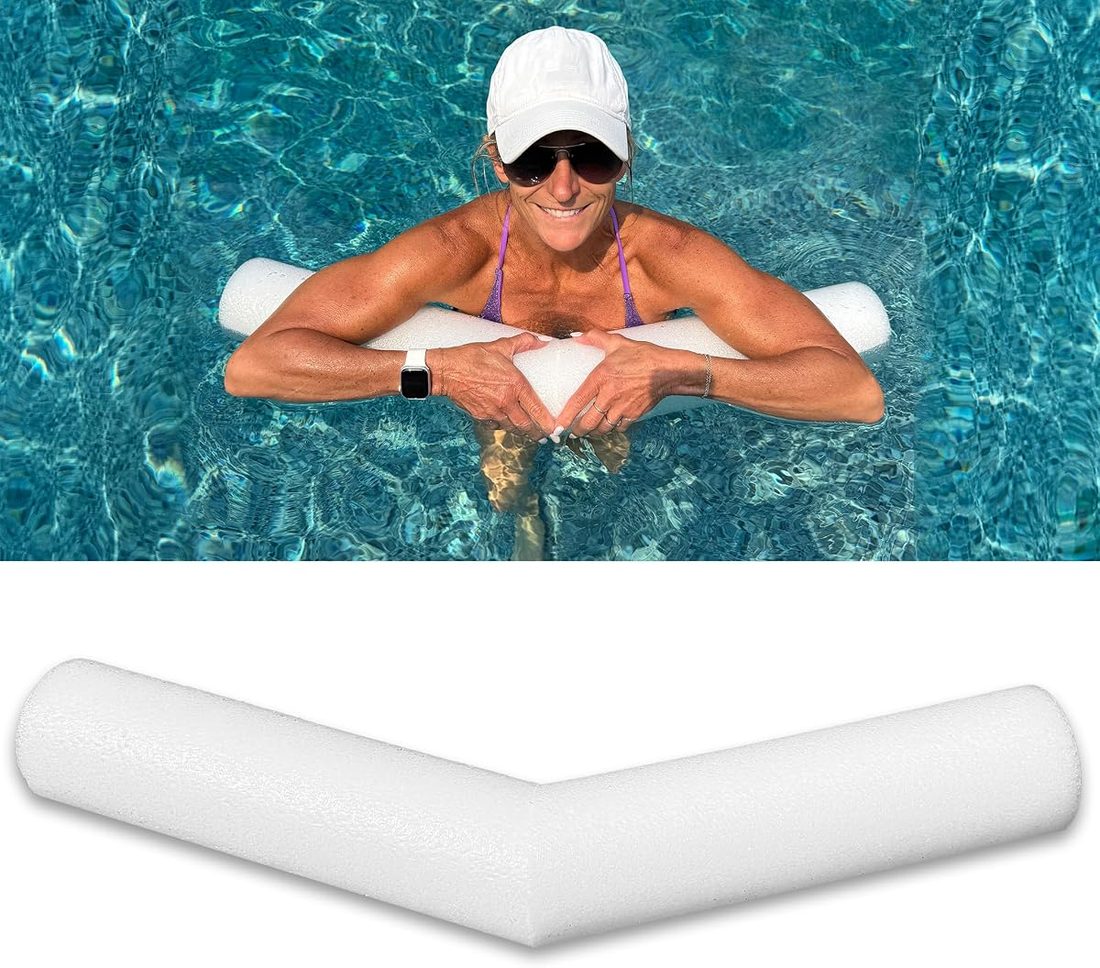
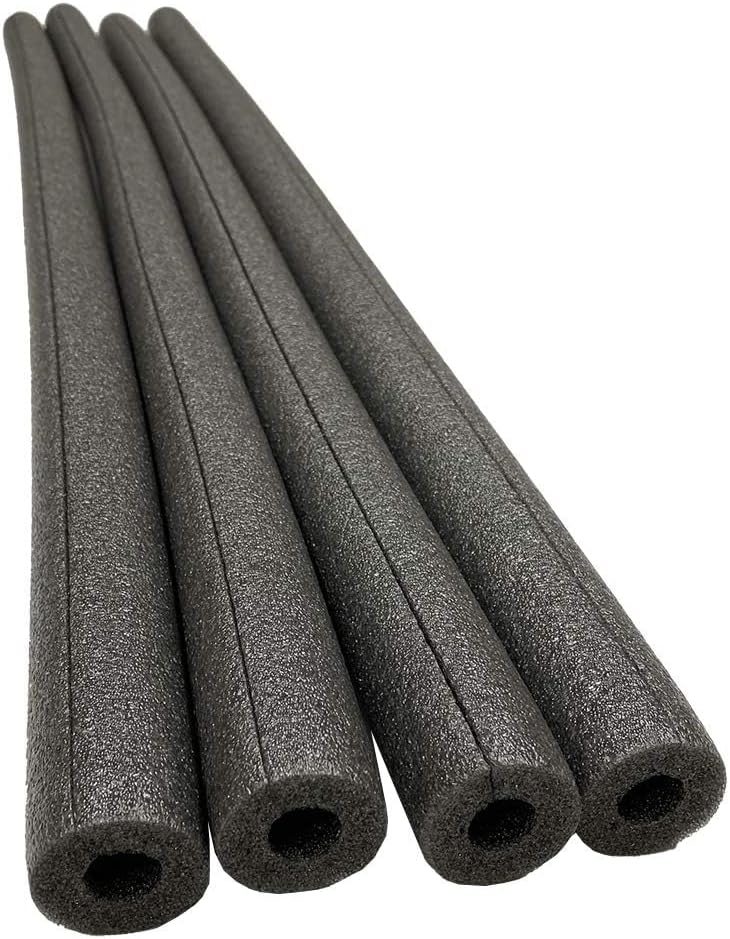

Contact adhesive and low-temperature hot melt. Anything solvent-based, especially acetone, melts polyethylene on contact.
Water-based acrylic and latex go straight on and stay flexible. Strong solvent sprays pit the surface unless you seal it first.
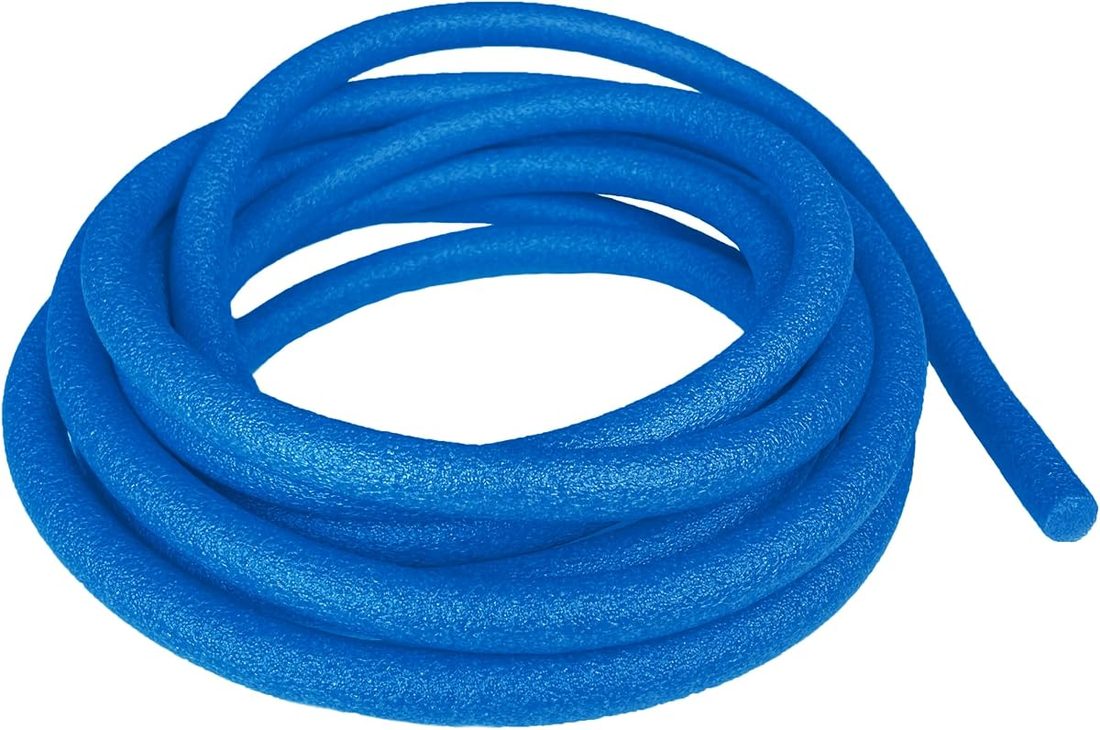
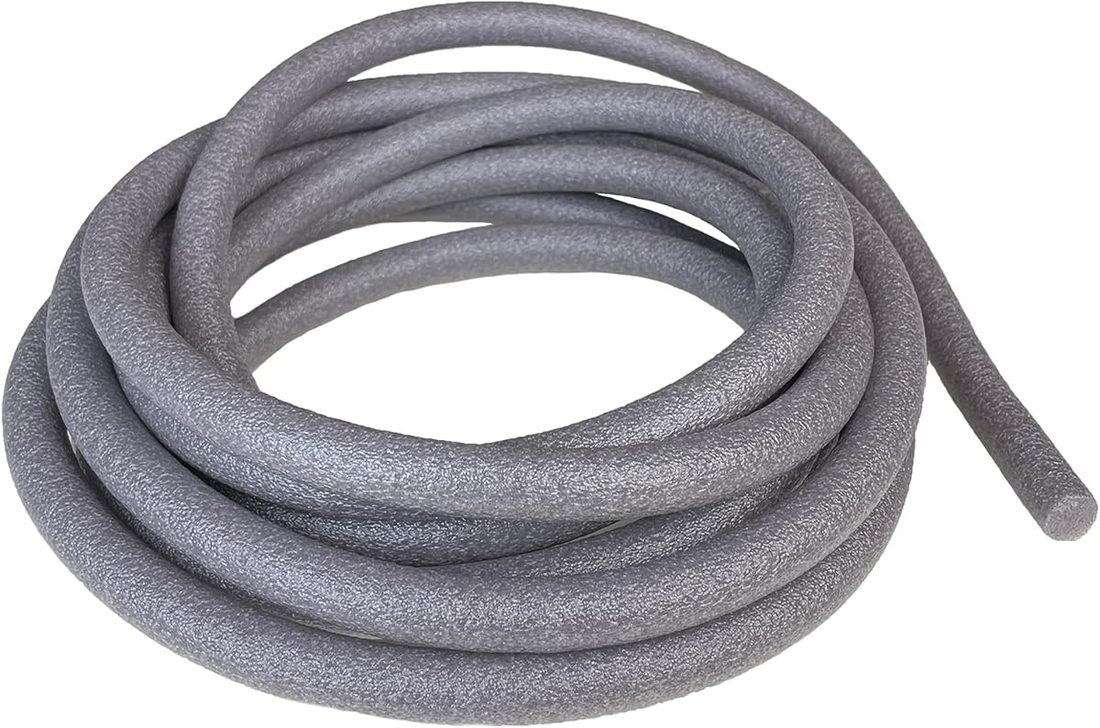
Craft sticks between 1.5 inch and 5 inch across for carved shapes, and 5/8 inch rod by the coil for stems, hoops and edges.
 How to choose a pool noodleDiameter, length, core and pack size: the four numbers that decide whether an Oodles of Noodles pool noodle works for you.
 Solid core versus hollow foam pool noodlesWhy one Oodles of Noodles tube costs more than another that looks identical from the end of the pool.Pool noodle sizes in inchesA plain table of the lengths and diameters sold under the Oodles of Noodles name, in inch and in feet.
 Backer rod sizing for Oodles of Noodles foamPicking the right Oodles of Noodles rod diameter for a joint, and why the sealant fails when you do not.Looking after Oodles of Noodles pool noodlesChlorine, sunlight, storage and the small habits that double the life of a pack of pool noodles.
Open a listing and check the current price, pack size and colour before you order.